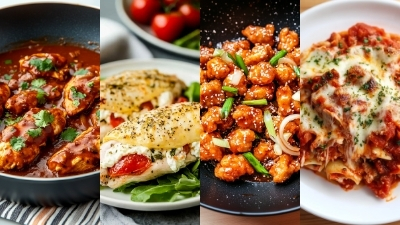
You know those nights when you want comfort food but can’t decide between your favorites? That’s exactly how this recipe came to be. I was craving both chicken alfredo and honey mustard chicken, and thought “why not combine them?” It might sound a bit different at first, but trust me on this one.
The creamy alfredo sauce pairs surprisingly well with the sweet and tangy honey mustard, and the chicken brings it all together. It’s become one of those recipes I make when I want something familiar but with a little twist. My kids actually cheer when they see me getting the ingredients out – and that’s saying something!
If you’re like me and enjoy playing around with classic recipes, this one’s right up your alley. It’s simple enough for a weeknight dinner but interesting enough to serve to guests who appreciate trying something new.
Why You’ll Love This Honey Mustard Chicken Alfredo
- Two favorite flavors combined – This recipe brings together the creamy comfort of Alfredo sauce with the sweet-tangy kick of honey mustard chicken, creating a pasta dish that’s anything but boring.
- Quick weeknight dinner – Ready in under an hour, this pasta dish fits perfectly into your busy schedule while still delivering restaurant-quality taste.
- One-pan cooking – The chicken and sauce cook in the same pan, which means less cleanup and more flavor as all those tasty bits from the chicken enhance the sauce.
- Customizable heat level – With chili flakes in the mix, you can easily adjust the spiciness to match your family’s preference – add more for heat lovers or reduce for milder palates.
What Kind of Chicken Should I Use?
For this recipe, boneless, skinless chicken breasts are your best bet since they cook evenly and take on flavors really well. You can use either regular-sized chicken breasts (which you’ll want to cut in half horizontally) or chicken cutlets that are already thinly sliced. If you’re finding that your grocery store’s chicken breasts are super thick, don’t hesitate to pound them to an even thickness – this helps them cook more evenly and faster. Fresh chicken is great, but if you’re using frozen, just make sure it’s completely thawed and patted dry with paper towels before you start cooking to help get a nice golden crust.
Options for Substitutions
This recipe can be adjusted with several easy swaps if you’re missing ingredients:
- Chicken breast: You can use chicken thighs instead – they’re actually more forgiving and stay juicier. Just cook them for a few minutes longer. Turkey cutlets work too!
- Rigatoni: Any medium to large pasta shape works great here – try penne, ziti, or even fettuccine. Just stick to the same cooking time on the package.
- Heavy cream: For a lighter version, use half-and-half, but you’ll need to cook it a bit longer to thicken. Don’t substitute milk though – it’s too thin for this sauce.
- Shallots: No shallots? Use 1/4 cup finely diced red or yellow onion instead.
- Parmesan cheese: While fresh Parmesan is best, you can use Romano cheese or even Pecorino. Pre-grated Parmesan works too, but the sauce might not be as smooth.
- Mustards: If you only have one type of mustard, that’s fine – just double the amount. Yellow mustard works in a pinch, but the flavor won’t be as rich.
- Honey: Maple syrup or agave nectar can step in for honey with similar results.
Watch Out for These Mistakes While Cooking
The biggest challenge when making honey mustard chicken alfredo is preventing the chicken from becoming dry and tough – the key is to not overcook it, so remove it from the heat when it reaches 155°F internally and let it rest while making the sauce. A common error is overcrowding the pan when cooking the chicken, which leads to steaming instead of browning – work in batches if needed to get that golden crust. The sauce can break or become grainy if you add cold cream to a hot pan too quickly, so let the cream come to room temperature first and add it gradually while stirring constantly. For the perfect pasta texture, save a cup of pasta water before draining – this starchy liquid helps thin out the sauce if it becomes too thick and helps the sauce stick better to the rigatoni.
What to Serve With Honey Mustard Chicken Alfredo?
This rich and creamy pasta dish calls for some lighter sides to balance out the meal. A simple arugula salad with lemon dressing cuts through the richness of the alfredo sauce perfectly, while roasted broccoli or asparagus adds some green goodness to your plate. If you’re feeding a hungry crowd, some warm garlic bread on the side is always welcome – it’s great for soaking up any extra sauce! For a complete Italian-inspired meal, start with a light antipasto platter of marinated vegetables and olives before diving into the main course.
Storage Instructions
Keep Fresh: Pop your leftover honey mustard chicken alfredo in an airtight container and place it in the fridge. It’ll stay good for up to 3 days. The pasta might absorb some of the sauce overnight, but that’s totally normal – it’ll still taste great!
Freeze: If you want to save some for later, this dish freezes pretty well. Just put it in a freezer-safe container and it’ll keep for up to 2 months. The cream sauce might separate a bit when frozen, but don’t worry about that too much.
Reheat: When you’re ready to eat your leftovers, warm them up slowly on the stovetop over medium-low heat, stirring occasionally. Add a splash of cream or milk if the sauce seems too thick. If using the microwave, heat in 30-second intervals, stirring between each, until it’s heated through. The sauce will come back together nicely with a good stir!
| Preparation Time | 10-15 minutes |
| Cooking Time | 25-35 minutes |
| Total Time | 35-50 minutes |
| Level of Difficulty | Medium |
Estimated Nutrition
Estimated nutrition for the whole recipe (without optional ingredients):
- Calories: 1500-1700
- Protein: 90-100 g
- Fat: 80-90 g
- Carbohydrates: 130-140 g
Ingredients
For the chicken:
- 1 tbsp paprika (I use Hungarian paprika for deeper color)
- 1 tsp oregano
- 1 tbsp honey (room temperature for easier mixing)
- 1 tsp whole grain mustard (adds texture and tang)
- 4 chicken breasts (pounded to 3/4-inch thickness for even cooking)
- 1 tsp dijon mustard
- 1 tsp olive oil
- 1 tsp garlic salt
For the rigatoni:
- 12 oz rigatoni (cook until al dente)
For the sauce:
- 1.8 oz parmesan cheese (freshly grated preferred)
- 1 tsp oregano
- 2 garlic cloves (freshly minced for best flavor)
- 2 shallots (minced into 1/4-inch pieces)
- 1 tbsp butter (I prefer Kerrygold unsalted for this)
- 3/4 cup heavy cream
- 1 tsp chili flakes (optional but recommended for subtle heat)
Step 1: Prepare Chicken and Create Flavor Marinade
- 4 chicken breasts
- 1 tbsp paprika
- 1 tsp garlic salt
- 1 tsp oregano
- 1 tsp Dijon mustard
- 1 tsp whole grain mustard
- 1 tbsp honey
Pat the chicken breasts dry with paper towels, then pound them to an even 3/4-inch thickness—this ensures they cook evenly and quickly.
In a small bowl, combine the paprika, garlic salt, oregano, both mustards, and honey, stirring until you have a cohesive paste.
Coat each chicken breast thoroughly on both sides with this mixture and let sit for 10 minutes at room temperature.
This short marination allows the flavors to penetrate the meat while the honey begins to caramelize during cooking, creating a beautiful glaze.
Step 2: Start Pasta and Sear the Chicken
- 12 oz rigatoni
- 1 tsp olive oil
- marinated chicken from Step 1
While the chicken marinates, bring a large pot of salted water to a rolling boil and add the rigatoni.
Cook according to package directions until al dente, then reserve 1/2 cup of the starchy pasta water before draining—this liquid is essential for thinning and enriching the sauce.
While the pasta cooks, heat the olive oil in a large skillet over medium-high heat until shimmering.
Carefully place the marinated chicken breasts in the pan and cook for 3-4 minutes per side until golden brown and cooked through (internal temperature should reach 165°F).
Transfer the cooked chicken to a clean plate and set aside.
Step 3: Build the Alfredo Sauce Base
- 1 tbsp butter
- 2 shallots
- 2 garlic cloves
- 1 tsp oregano
- 1 tsp chili flakes
In the same skillet (no need to clean it—those browned bits add flavor), melt the butter over medium heat.
Add the minced shallots and cook for 3-4 minutes, stirring occasionally, until they become soft and translucent.
Add the freshly minced garlic, oregano, and chili flakes, stirring constantly for about 1 minute until fragrant.
I like to use fresh garlic here rather than jarred because the bright, clean flavor makes a noticeable difference in the cream sauce.
Step 4: Create and Thicken the Cream Sauce
- 3/4 cup heavy cream
- 1.8 oz Parmesan cheese
- 1 tsp Dijon mustard
- reserved pasta water from Step 2
- salt and pepper to taste
Pour the heavy cream into the pan with the aromatics, stirring gently to combine.
Add a pinch of salt and pepper to taste, then stir in 1 tsp of Dijon mustard to complement the mustard flavors on the chicken.
Bring the mixture to a gentle simmer over medium heat, then add the freshly grated Parmesan cheese a handful at a time, stirring constantly until each addition melts completely and the sauce becomes smooth and glossy.
Gradually add the reserved pasta water (about 1/4 to 1/2 cup) while stirring, until the sauce reaches your desired consistency—it should coat the back of a spoon but still flow slightly.
The sauce will continue to thicken slightly as it sits.
Step 5: Combine Pasta with Sauce and Plate
- cooked pasta from Step 2
- Alfredo sauce from Step 4
- cooked chicken from Step 2
Add the drained pasta from Step 2 to the sauce and toss gently but thoroughly, ensuring every piece of rigatoni is coated.
The pasta will absorb some of the sauce as it sits, so don’t worry if it seems slightly loose right after combining.
Divide the pasta among serving bowls or plates, then slice the rested chicken breasts and arrange the slices on top of each portion.
Finish with an extra sprinkle of freshly grated Parmesan and fresh parsley if desired, then serve immediately while everything is still hot.