When I’m craving takeout but want to eat healthier, I turn to homemade lo mein. There’s something about those soft noodles and savory sauce that hits the spot every time. But ordering from our local Chinese restaurant usually means I’m hungry again in an hour and my wallet is lighter.
That’s why I started making cabbage lo mein at home. It gives me all the comfort of restaurant lo mein but with way more vegetables. The cabbage adds great crunch and makes the whole dish more filling. Plus, I can control exactly what goes into that sauce.
The best part? It comes together in about 20 minutes. I can have dinner on the table faster than delivery would arrive. My kids actually ask for seconds, which never happens when I try to sneak vegetables into their meals. Sometimes the simplest swaps make the biggest difference.
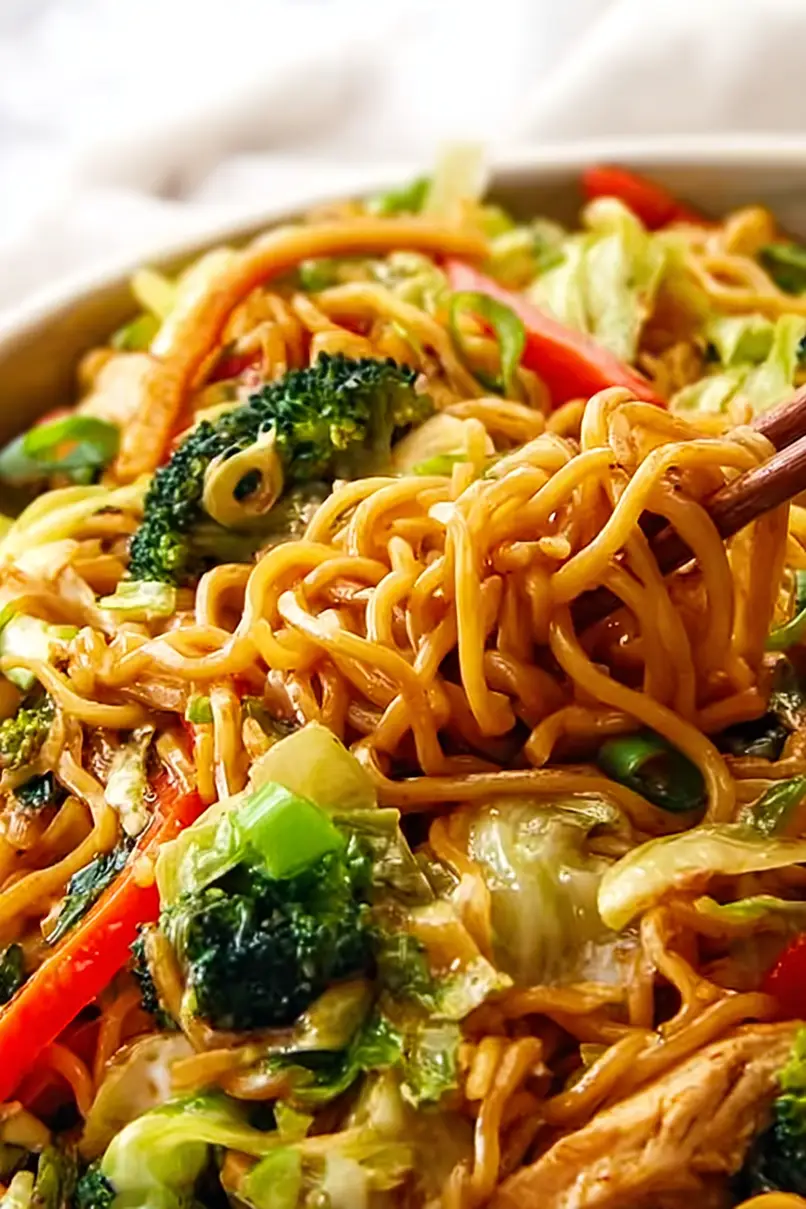
Why You’ll Love This Cabbage Lo Mein
- Quick weeknight dinner – Ready in just 30-40 minutes, this stir-fry comes together faster than ordering takeout and tastes so much better.
- Packed with fresh vegetables – With broccoli, bell peppers, snow peas, and cabbage, you’re getting a rainbow of nutrients in every bite without feeling like you’re eating a salad.
- Better than takeout – You control the sodium and ingredients, making it a healthier version of your favorite Chinese restaurant dish right in your own kitchen.
- One-pan meal – Everything cooks in one large skillet or wok, which means less cleanup and more time to enjoy your delicious dinner.
- Customizable protein – While this recipe uses chicken, you can easily swap in shrimp, beef, or tofu to match your preferences or what you have on hand.
What Kind of Cabbage Should I Use?
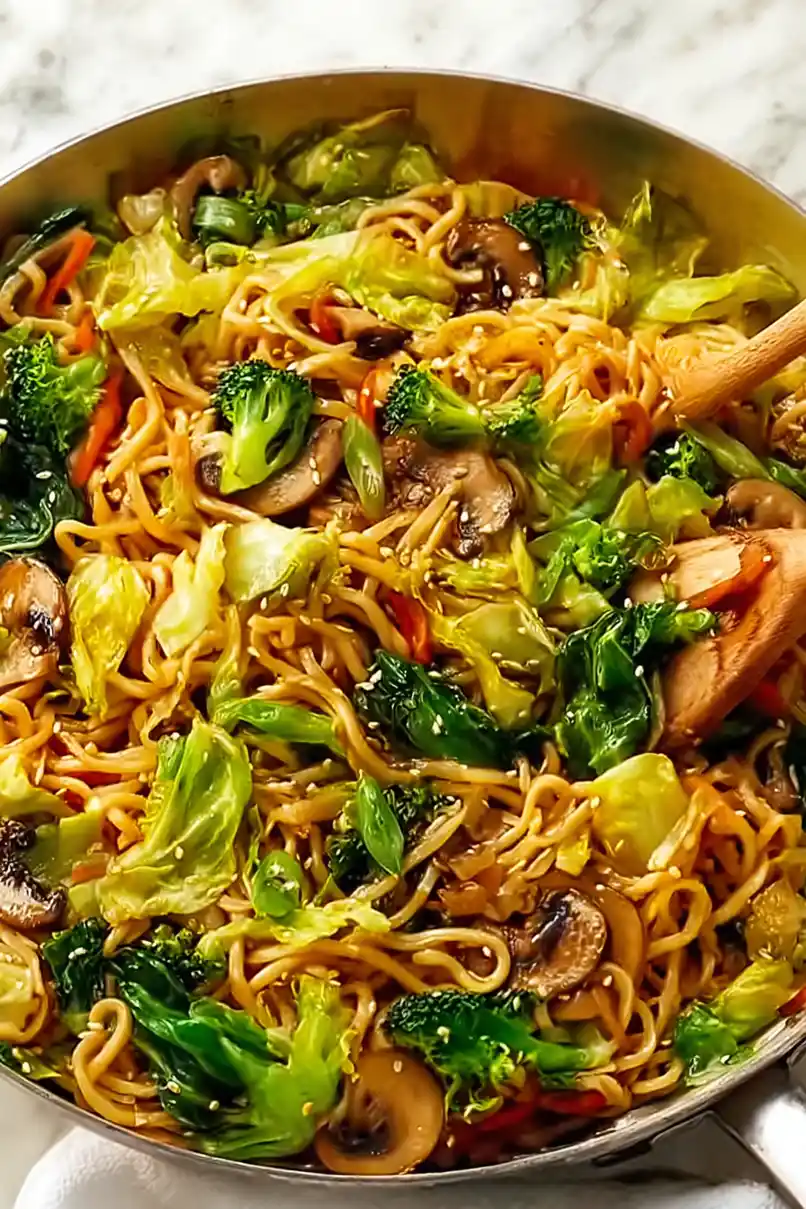
For this lo mein recipe, napa cabbage is your best bet and it’s what I always reach for when making Asian-inspired dishes. This type of cabbage has a milder, sweeter flavor compared to regular green cabbage, and its leaves are more tender, which means they cook quickly and won’t overpower the other ingredients. You can find napa cabbage in most grocery stores – it’s the oblong-shaped cabbage with pale green leaves and white stems. If you can’t find napa cabbage, regular green cabbage will work in a pinch, but you’ll want to slice it extra thin and maybe cook it a minute or two longer to get it tender.
Options for Substitutions
This lo mein recipe is pretty forgiving when it comes to swaps – here are some easy substitutions you can make:
- Lo mein noodles: Can’t find lo mein noodles? Fresh linguine, spaghetti, or even ramen noodles (without the seasoning packet) work great. Cook them according to package directions and they’ll soak up all those good flavors.
- Chicken breast: Feel free to use chicken thighs for more flavor, or swap in beef sirloin, pork tenderloin, or even tofu for a vegetarian version. Just adjust cooking times accordingly.
- Napa cabbage: Regular green cabbage or bok choy make good substitutes. If using regular cabbage, slice it extra thin since it takes a bit longer to cook down.
- Vegetables: This is where you can really get creative! Swap the broccoli for snap peas, use regular onions instead of scallions, or try carrots and zucchini. Just keep the cooking times in mind – harder veggies go in first.
- Chile-garlic sauce: If you don’t have this on hand, mix 1 teaspoon sriracha with 1 minced garlic clove, or use a pinch more crushed red pepper.
- Fresh ginger: Ground ginger works in a pinch – use about 1 teaspoon instead of the 2 tablespoons fresh, and add it with the other seasonings.
Watch Out for These Mistakes While Cooking
The biggest mistake when making cabbage lo mein is overcooking the vegetables, which turns them mushy and kills that satisfying crunch – add harder vegetables like broccoli first, then softer ones like cabbage and snow peas at the end for just 1-2 minutes.
Another common error is not cooking the noodles properly: undercook them by about a minute since they’ll finish cooking in the wok with the sauce, and always rinse them with cold water to prevent sticking.
Don’t crowd your pan when stir-frying the chicken and vegetables – work in batches if needed so everything gets properly seared instead of steamed, and make sure your wok or large skillet is smoking hot before adding ingredients.
Finally, mix your cornstarch with the chicken broth ahead of time to avoid lumps, and have all your ingredients prepped and ready to go since this dish cooks fast once you start.
What to Serve With Cabbage Lo Mein?
This cabbage lo mein is pretty much a complete meal on its own since it’s packed with chicken, vegetables, and noodles, but there are some great sides that pair nicely with it. I love serving it with crispy egg rolls or pot stickers for extra texture and that authentic takeout feel. A simple cucumber salad with rice vinegar dressing helps cut through the richness of the noodles and adds a refreshing crunch. If you want something warm, try some steamed dumplings or a small bowl of wonton soup as a starter.
Storage Instructions
Refrigerate: Cabbage lo mein keeps really well in the fridge for up to 4 days in an airtight container. The noodles might absorb some of the sauce as it sits, but that just makes them more flavorful! I actually think it tastes even better the next day when all those Asian flavors have had time to meld together.
Freeze: You can freeze this lo mein for up to 2 months, though the texture of the vegetables will be a bit softer when thawed. Let it cool completely first, then store in freezer-safe containers or bags. It’s great for those busy weeknight dinners when you need something quick and satisfying.
Warm Up: To reheat, toss it in a large skillet or wok over medium heat with a splash of chicken broth or water to loosen things up. You can also microwave it in 30-second intervals, stirring between each one. The key is to heat it gently so the noodles don’t get mushy.
| Preparation Time | 15-20 minutes |
| Cooking Time | 15-20 minutes |
| Total Time | 30-40 minutes |
| Level of Difficulty | Medium |
Estimated Nutrition
Estimated nutrition for the whole recipe (without optional ingredients):
- Calories: 1200-1400
- Protein: 70-80 g
- Fat: 60-70 g
- Carbohydrates: 120-140 g
Ingredients
For the marinade and sauce:
- 1 tsp chile-garlic sauce (I use Huy Fong brand)
- 1 tsp cornstarch (whisked into broth to prevent lumps)
- 3 tbsp reduced-sodium soy sauce
- 1/4 tsp crushed red pepper
- 3/4 cup unsalted chicken broth
- 2 tbsp sesame oil (toasted for deeper flavor)
For the noodles:
- 2 tsp sesame oil (for coating after cooking)
- 8 oz lo mein noodles (fresh or dried)
For the protein:
- 12 oz boneless, skinless chicken breast (sliced 1/4-inch thick against the grain)
For the vegetables:
- 5 oz cremini mushrooms, thinly sliced (about 2 cups)
- 1 cup snow peas, halved (keeps them tender-crisp)
- 2 cups bite-sized broccoli florets (from 1 large crown)
- 4 1/2 cups finely sliced napa cabbage (about half a head, slice lengthwise then crosswise)
- 4 garlic cloves, minced (freshly minced for best flavor)
- 1 bunch scallions, sliced thin (both white and green parts)
- 3 tbsp vegetable oil, divided (or any neutral oil like canola)
- 1 red bell pepper, cut into strips (about 1/4-inch wide)
- 2 tbsp fresh ginger, finely chopped (about 1-inch piece)
Step 1: Prepare Mise en Place and Marinate Chicken
- 2 tbsp sesame oil
- 3 tbsp reduced-sodium soy sauce
- 1/4 tsp crushed red pepper
- 12 oz boneless, skinless chicken breast
- 5 oz cremini mushrooms
- 4 garlic cloves
- 2 tbsp fresh ginger
- 1 bunch scallions
- 2 cups broccoli florets
- 1 red bell pepper
- 1 cup snow peas
- 4 1/2 cups napa cabbage
Start by preparing all your vegetables while your mise en place is organized.
Slice the napa cabbage finely (lengthwise then crosswise), cut the bell pepper into thin strips, halve the snow peas, slice the mushrooms thinly, mince the garlic and ginger, slice the scallions, and cut the broccoli into bite-sized florets.
Set everything aside in separate bowls.
Then, slice the chicken breast 1/4-inch thick against the grain and place in a bowl.
Whisk together 2 tablespoons toasted sesame oil, 3 tablespoons soy sauce, and 1/4 teaspoon crushed red pepper, then coat the chicken evenly.
Let it sit while you prepare the other components.
Step 2: Cook Noodles and Make Sauce Base
- 8 oz lo mein noodles
- 2 tsp sesame oil
- 1 tsp chile-garlic sauce
- 3/4 cup unsalted chicken broth
- 1 tsp cornstarch
While your mise en place comes together, bring a pot of water to a boil and cook the lo mein noodles according to package directions.
While the noodles cook, whisk together 3/4 cup chicken broth and 1 teaspoon cornstarch in a small bowl until smooth—this prevents lumping.
Drain the cooked noodles thoroughly and toss immediately with 2 teaspoons sesame oil and 1 teaspoon chile-garlic sauce to keep them from sticking.
Set the noodles and sauce base aside, keeping them separate.
Step 3: Sauté Mushrooms with Aromatics
- 1 tbsp vegetable oil
- 5 oz cremini mushrooms, thinly sliced
- 4 garlic cloves, minced
- 2 tbsp fresh ginger, finely chopped
- 1 bunch scallions, sliced thin
Heat 1 tablespoon of vegetable oil in a large wok or skillet over medium-high heat.
Once shimmering, add the sliced mushrooms and cook for 4-5 minutes, stirring occasionally, until they release their moisture and begin to brown slightly.
Add the minced garlic, chopped ginger, and sliced scallions, stirring constantly for about 1 minute until fragrant.
Transfer the mushroom mixture to a large bowl and set aside—I find keeping mushrooms separate from other vegetables helps them retain their depth of flavor.
Step 4: Cook Remaining Vegetables in Two Batches
- 1 tbsp vegetable oil
- 2 cups broccoli florets
- 1 red bell pepper, cut into strips
- 1 cup snow peas, halved
- 4 1/2 cups napa cabbage, thinly sliced
Add 1 tablespoon of vegetable oil to the same wok over medium-high heat.
Add the broccoli florets, bell pepper strips, and snow peas, cooking for 2-3 minutes while stirring frequently—this quick sear keeps them crisp-tender.
Then add the sliced napa cabbage and cook for another 2 minutes, tossing everything together.
Transfer this vegetable mixture to the bowl with the mushroom mixture.
I like to keep the vegetables slightly underdone at this stage since they’ll cook a bit more when combined with the sauce.
Step 5: Cook Chicken and Build the Sauce
- 1 tbsp vegetable oil
- marinated chicken from Step 1
- sauce base from Step 2
Add the final 1 tablespoon of vegetable oil to the wok and heat until shimmering.
Cook the marinated chicken pieces for 2-3 minutes, stirring frequently, until cooked through and lightly browned on the edges.
While the chicken finishes cooking, whisk the cornstarch broth mixture from Step 2 into the remaining marinade.
Pour this combined sauce over the cooked chicken and simmer for 1-2 minutes, stirring gently, until the sauce thickens and coats the chicken evenly.
Step 6: Combine All Components and Serve
- cooked vegetables from Step 4
- mushroom mixture from Step 3
- chicken and sauce from Step 5
- cooked noodles from Step 2
Add all the cooked vegetables from Step 4 (along with the mushroom mixture from Step 3) to the chicken and sauce, stirring gently to combine everything evenly.
Pour the entire mixture over the noodles from Step 2 and toss thoroughly until the sauce coats all the noodles and vegetables.
Serve immediately while everything is hot and the vegetables are still tender-crisp.