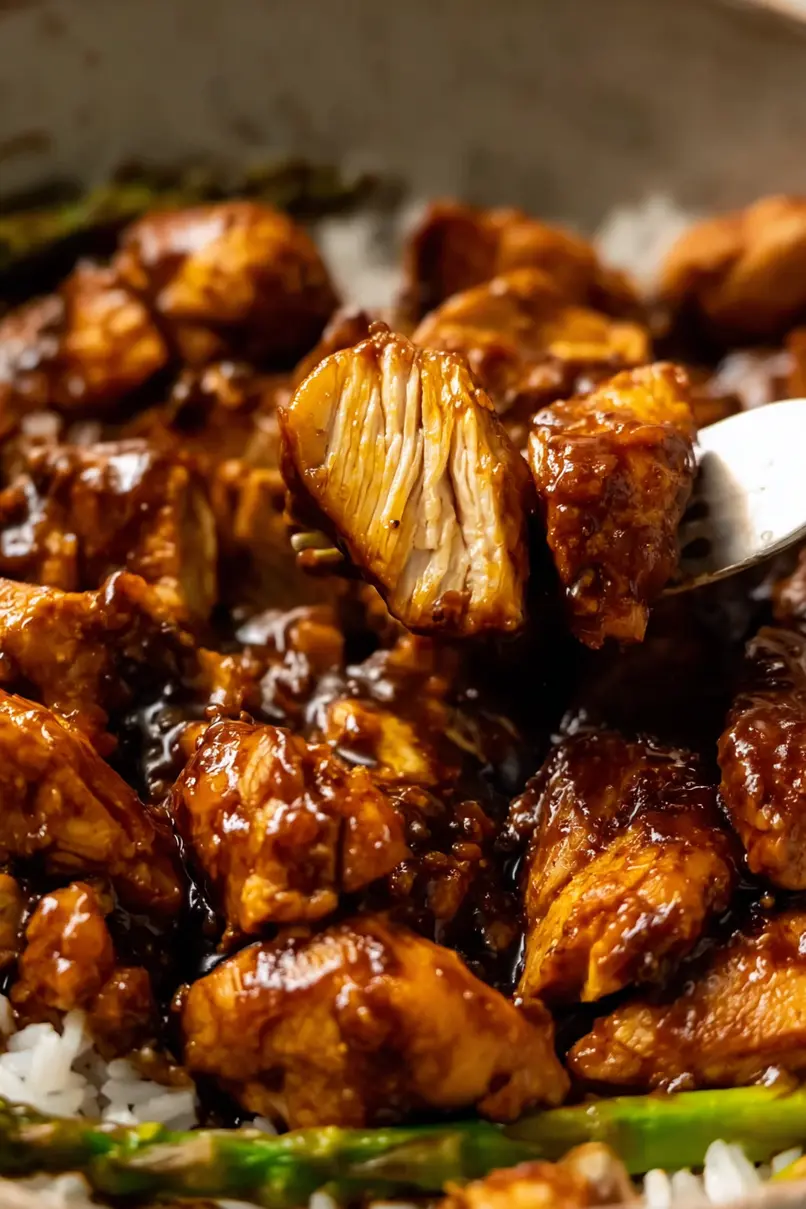
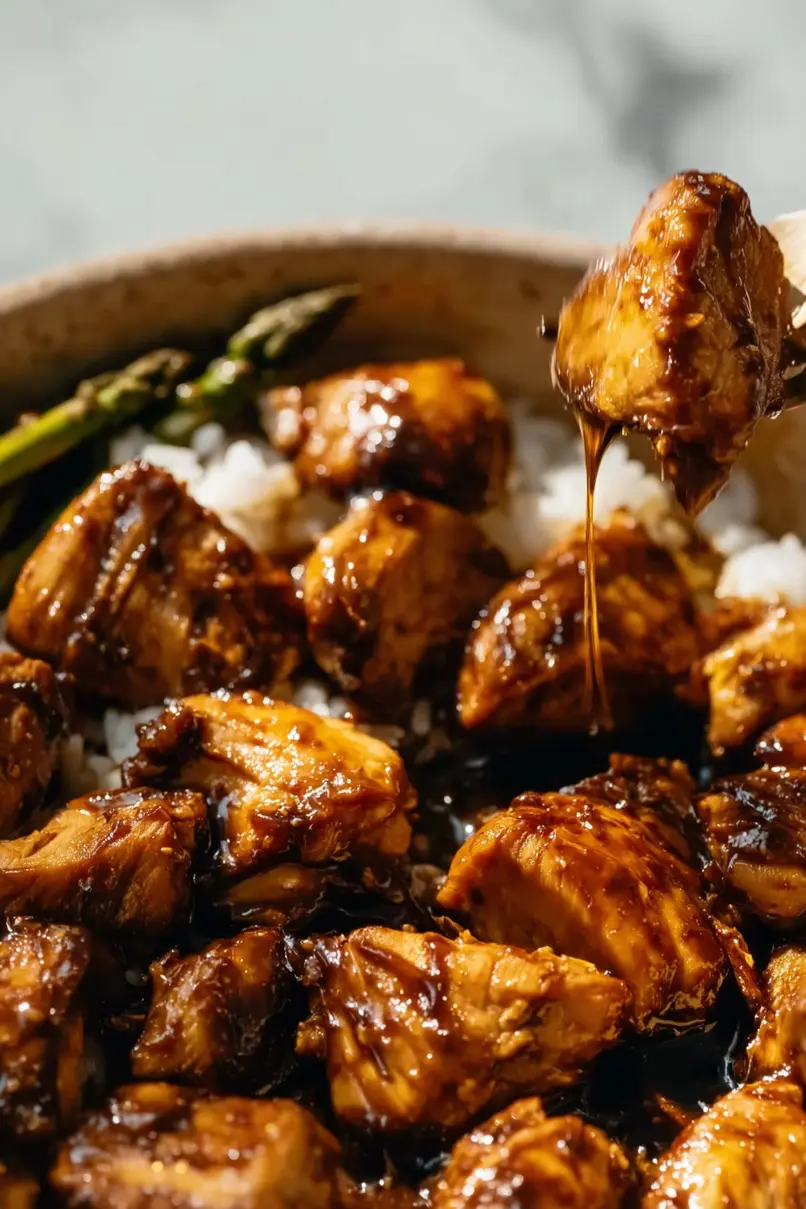
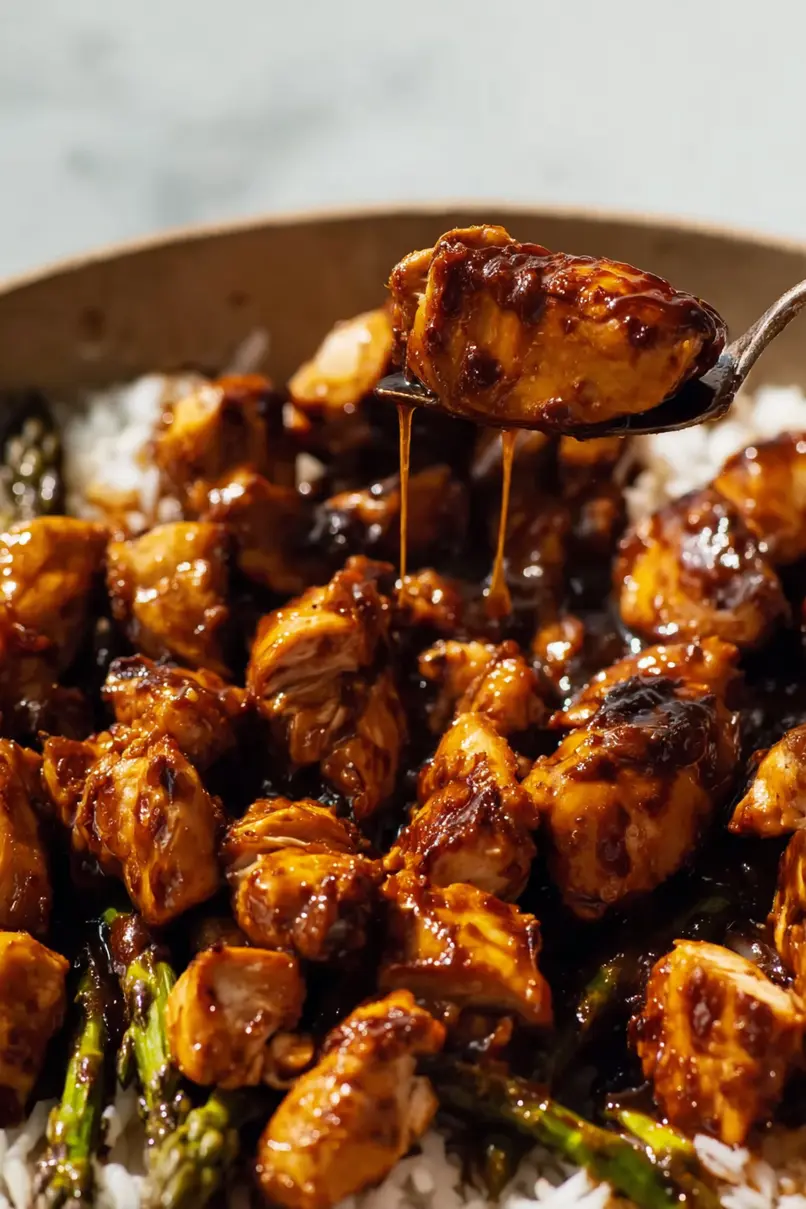
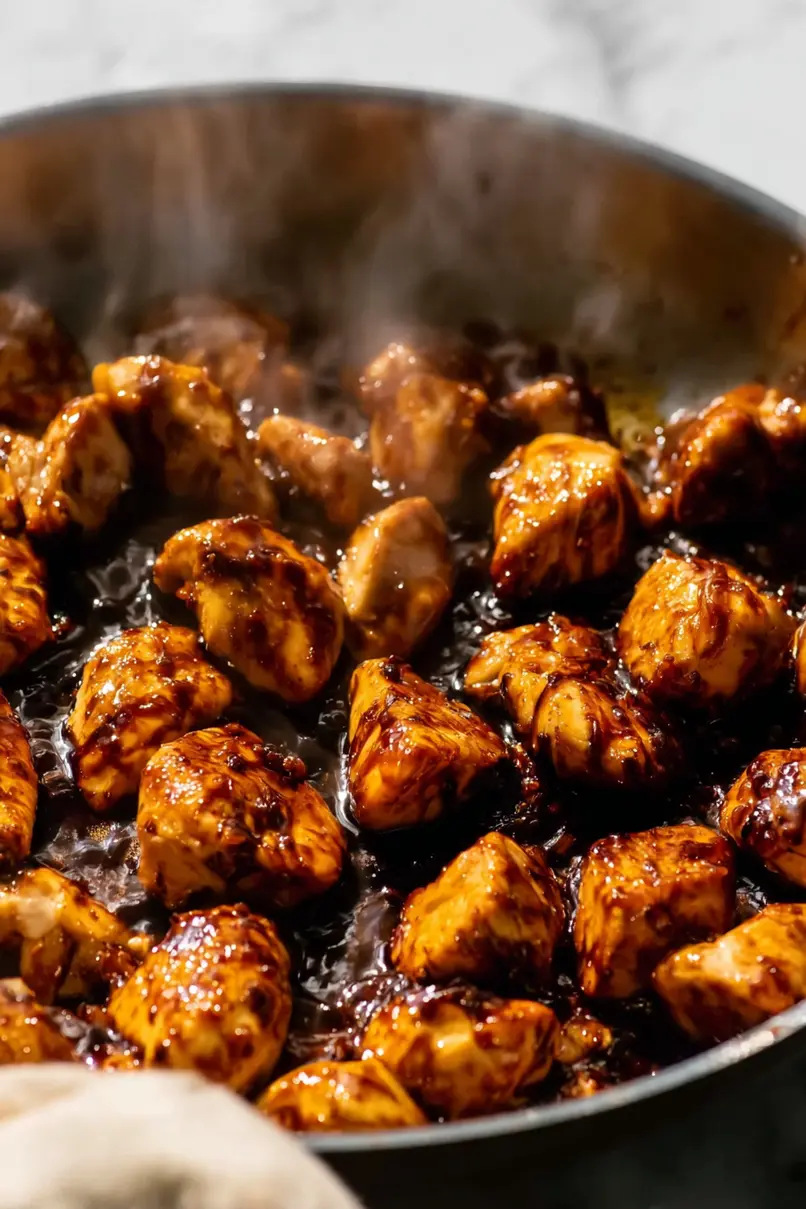
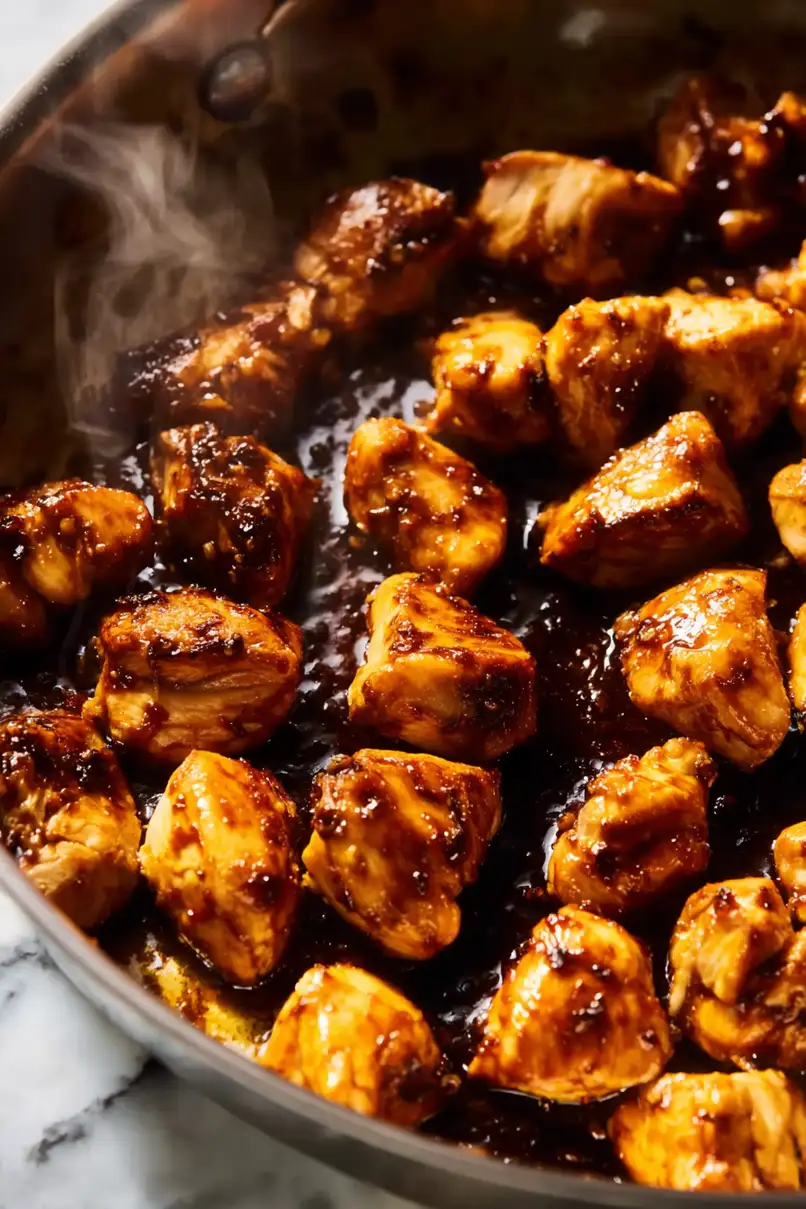
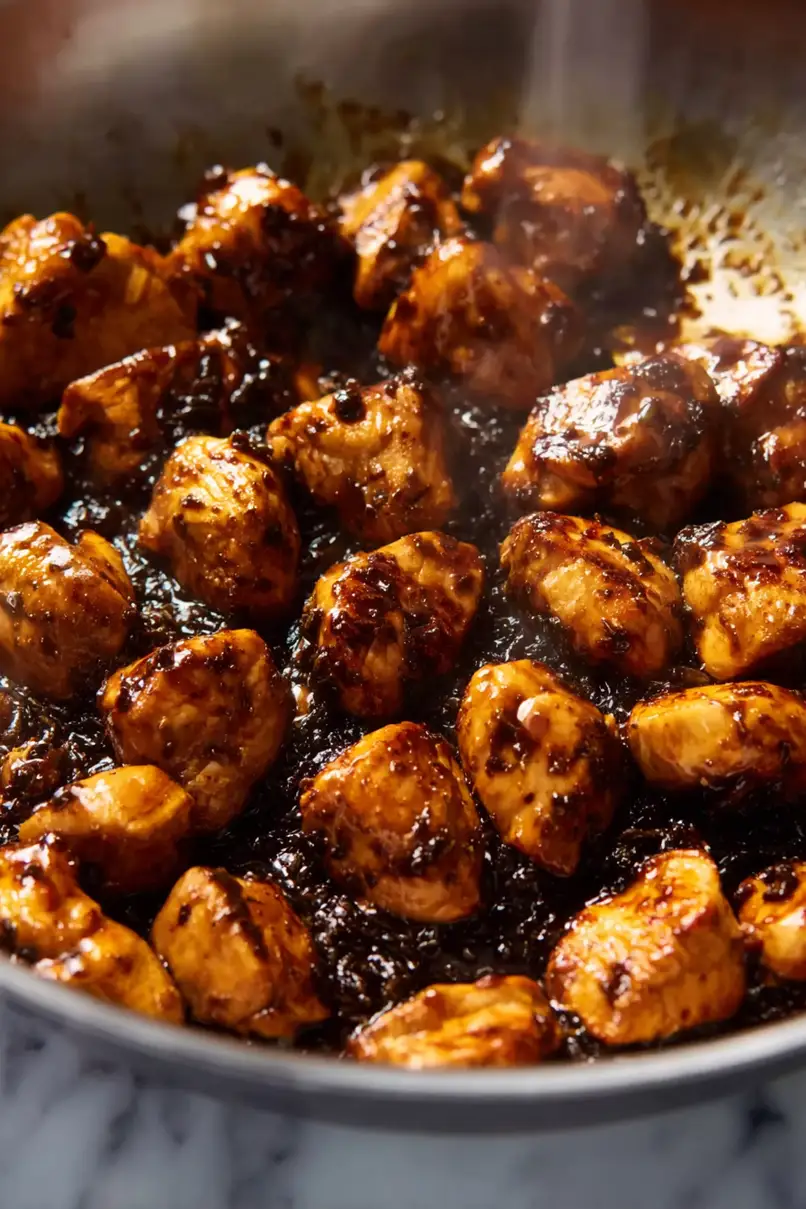
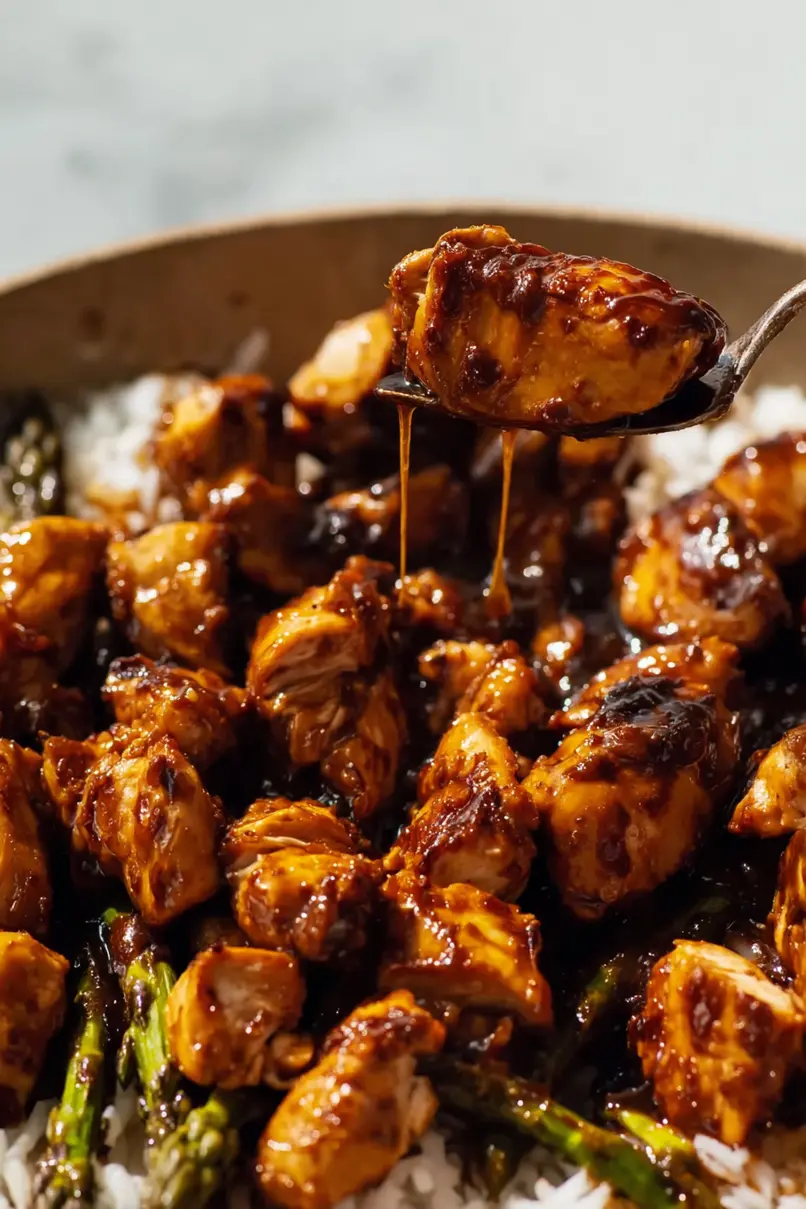
Here is my favorite balsamic chicken bowl recipe, with tender chicken marinated in tangy balsamic vinegar, served over rice with fresh vegetables and a simple glaze that brings it all together.
This balsamic chicken bowl has become our go-to weeknight dinner. My kids actually ask for it by name, and I love how easy it is to throw together on busy evenings. Plus, it’s healthy enough that I don’t feel guilty about seconds!
Why You’ll Love This Balsamic Chicken Bowl
- Quick weeknight dinner – Ready in just 30-45 minutes, this recipe is perfect for busy nights when you want something delicious without spending hours in the kitchen.
- Sweet and tangy flavor – The balsamic vinegar and honey glaze creates the perfect balance that makes every bite irresistible, and it’s way better than takeout.
- Completely customizable – You can pair this chicken with any grain and vegetables you have on hand, making it easy to use up what’s already in your fridge.
- Meal prep friendly – Make a big batch and portion it out with different sides throughout the week for easy lunches and dinners.
- Simple ingredients – Everything you need is probably already in your pantry, and the chicken cooks up tender and juicy every time.
What Kind of Chicken Should I Use?
For this balsamic chicken bowl, boneless, skinless chicken breasts are your best bet since they cook evenly and are easy to cut into uniform cubes. You can also use chicken thighs if you prefer – they’ll be a bit more tender and flavorful, though they may take slightly longer to cook through. When shopping, look for chicken that feels firm to the touch and has a fresh, clean smell. If you’re meal prepping, buying a larger pack and cutting it yourself will save you money compared to pre-cut chicken pieces. Just make sure to cut your chicken into similar-sized cubes so everything cooks at the same rate.
Options for Substitutions
This balsamic chicken bowl is super adaptable – here are some easy swaps you can make:
- Chicken breasts: Chicken thighs work great here and actually stay more tender during cooking. You can also use turkey breast or even firm tofu cubes for a vegetarian option – just reduce the cooking time for tofu.
- Balsamic vinegar: If you’re out of balsamic, try red wine vinegar mixed with a pinch of brown sugar, or apple cider vinegar with a touch of maple syrup for a similar tangy-sweet flavor.
- Honey: Maple syrup, brown sugar, or agave nectar all work as sweeteners. Start with a bit less since some are sweeter than honey.
- Dijon mustard: Regular yellow mustard or whole grain mustard can step in, though you might want to use slightly less as they can be milder or more intense.
- Base grains: The beauty of bowls is mixing and matching! Swap rice for quinoa, couscous, or even cauliflower rice for a low-carb option. Cook times will vary, so follow package directions.
- Vegetables: Use whatever vegetables you have on hand – broccoli, zucchini, carrots, or mushrooms all work well. Just adjust cooking times based on how tender or crispy you like them.
Watch Out for These Mistakes While Cooking
The biggest mistake when making balsamic chicken is cutting the chicken pieces too large, which prevents them from cooking evenly and absorbing the glaze properly – stick to 1-inch cubes for the best results.
Another common error is adding the balsamic glaze too early in the cooking process, which can cause it to burn and turn bitter instead of developing that sweet, tangy coating you want.
To avoid dry chicken, don’t overcook the cubes since they’ll continue cooking slightly in the hot pan even after you remove them from heat, and always let the balsamic mixture reduce properly until it coats the back of a spoon before tossing with the chicken.
For extra flavor, try marinating the chicken cubes in a bit of the balsamic mixture for 15-30 minutes before cooking, and make sure your pan is hot before adding the chicken to get a nice sear.
What to Serve With Balsamic Chicken Bowl?
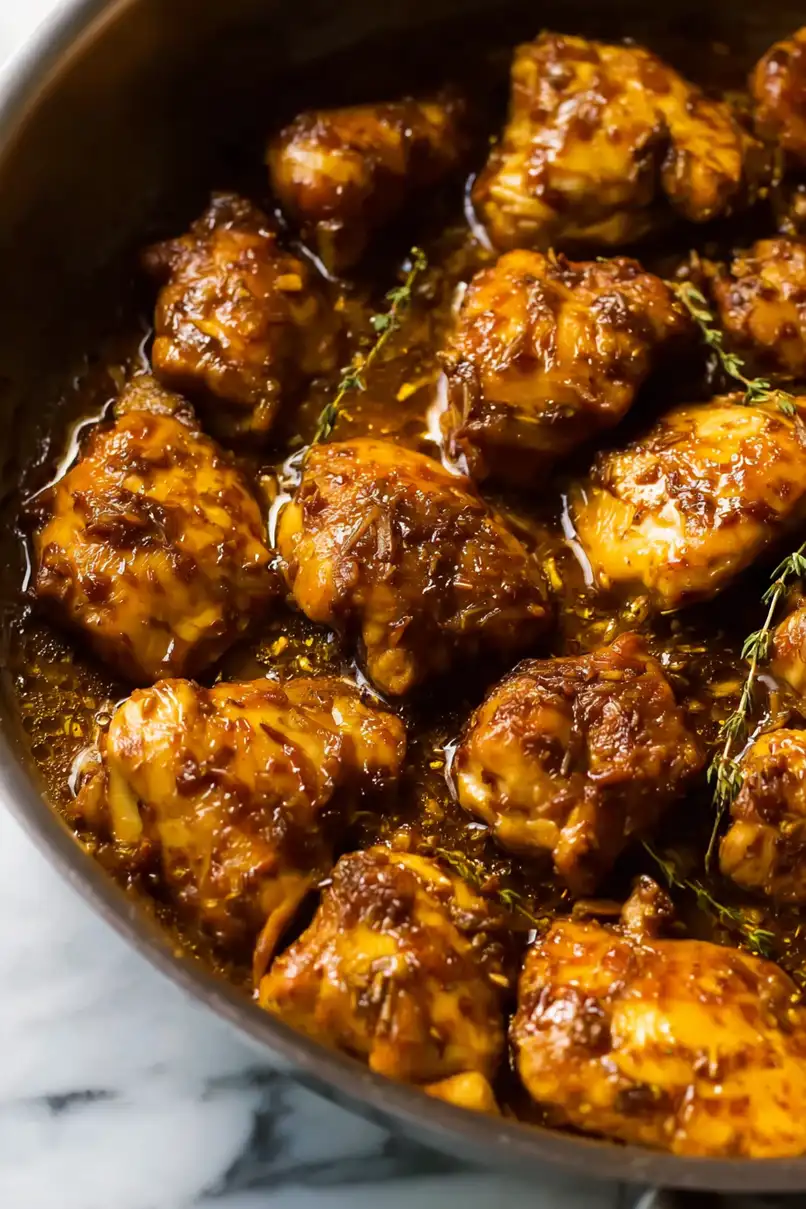
The beauty of balsamic chicken bowls is that you can mix and match your favorite sides to create the perfect meal. I love serving this over fluffy white rice or quinoa to soak up all that sweet and tangy balsamic glaze – it’s seriously addictive! For veggies, roasted asparagus or sautéed Brussels sprouts work great because they complement the honey-balsamic flavors without competing with them. You can also add some roasted sweet potatoes for extra heartiness, or keep it simple with steamed green beans and call it a day.
Storage Instructions
Store: This balsamic chicken keeps really well in the fridge for up to 4 days in an airtight container. I like to store the chicken separately from the rice and veggies so everything stays fresh and doesn’t get mushy. It’s actually one of those meals that tastes even better the next day once all those balsamic flavors have had time to soak in!
Freeze: The chicken freezes great for up to 3 months in freezer-safe containers or bags. I usually portion it out into individual servings so I can just grab what I need. Just remember to freeze the chicken by itself – the veggies and rice are better made fresh when you’re ready to eat.
Reheat: Warm up the chicken in the microwave for 1-2 minutes or on the stovetop over medium heat until heated through. The balsamic glaze might thicken up a bit in the fridge, but it’ll loosen right back up when you reheat it. Add a splash of water if needed to get that saucy consistency back.
| Preparation Time | 10-15 minutes |
| Cooking Time | 20-30 minutes |
| Total Time | 30-45 minutes |
| Level of Difficulty | Easy |
Estimated Nutrition
Estimated nutrition for the whole recipe (without optional ingredients):
- Calories: 1000-1120
- Protein: 95-110 g
- Fat: 35-40 g
- Carbohydrates: 70-80 g
Ingredients
For the chicken:
- 2 tbsp extra-virgin olive oil (I use Kerrygold)
- 1 tsp salt
- 1 1/2 lb boneless skinless chicken breast (cut into 1-inch pieces)
- 1/8 tsp black pepper (freshly ground preferred)
For the glaze:
- 1/4 cup honey
- 1 tbsp garlic (minced fresh)
- 1/2 cup balsamic vinegar (aged for deeper flavor)
- 1 tbsp Dijon mustard
Base options:
- Roasted potatoes
- Buttered noodles
- Cooked quinoa
- Cooked brown rice
- Cooked white rice
- Cooked couscous
- Roasted sweet potatoes
Vegetable options:
- Peas (steamed or sautéed)
- Brussels sprouts (halved for even cooking)
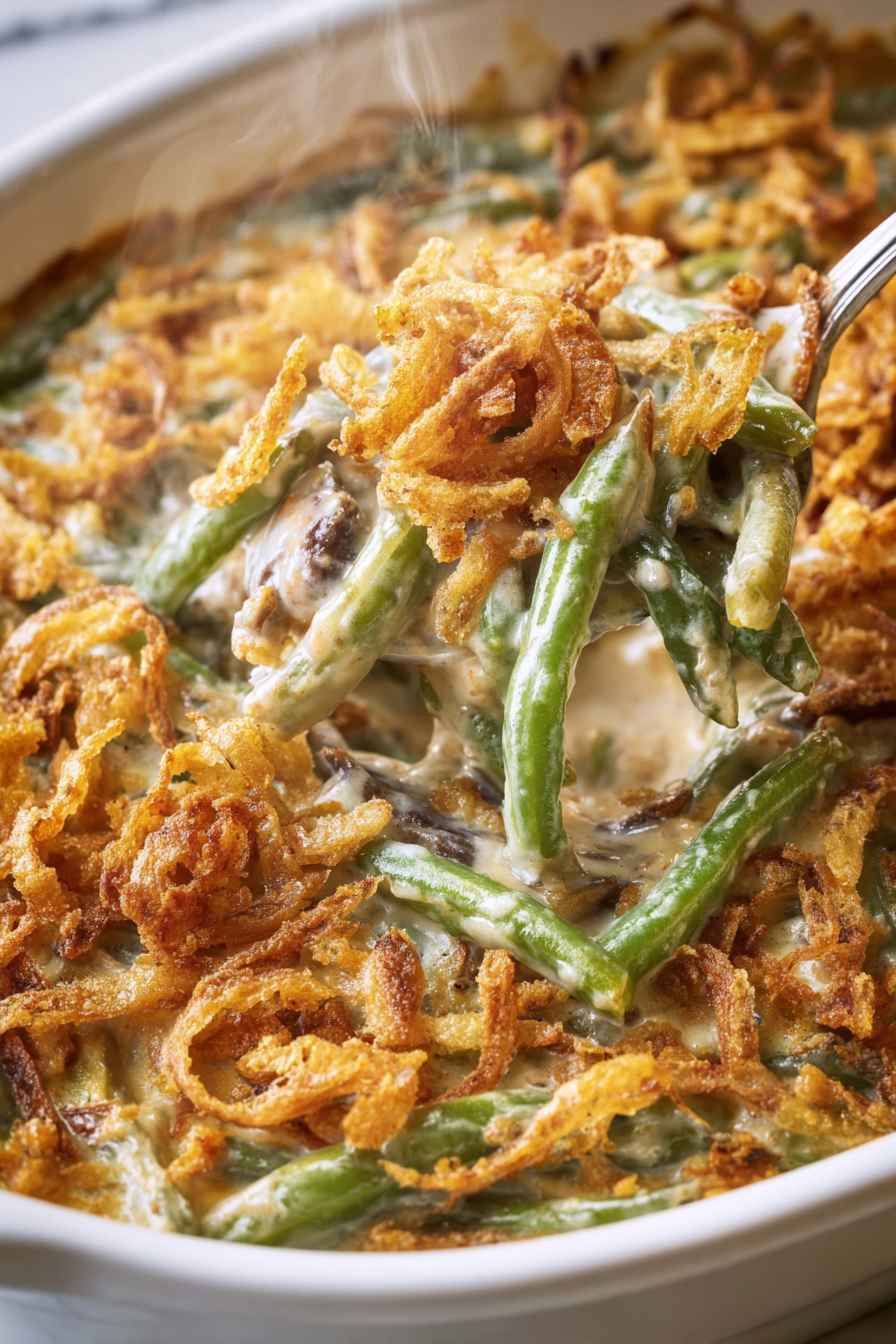
- Green beans (sautéed or roasted)
- Sautéed bell peppers
- Roasted asparagus
Step 1: Prepare the Balsamic Glaze Base
- 1/2 cup balsamic vinegar
- 1/4 cup honey
- 1 tbsp garlic, minced fresh
- 1 tbsp Dijon mustard
While your rice, quinoa, couscous, or other base ingredients cook (or if using pre-cooked versions, while you prepare vegetables), whisk together the balsamic vinegar, honey, minced garlic, and Dijon mustard in a small bowl.
This allows the flavors to meld slightly before hitting the hot pan.
I prefer to let this sit for a few minutes so the garlic flavor disperses throughout the sauce.
Step 2: Sear the Chicken Until Golden
- 2 tbsp extra-virgin olive oil
- 1 1/2 lb boneless skinless chicken breast, cut into 1-inch pieces
- 1 tsp salt
- 1/8 tsp black pepper, freshly ground
Heat the extra-virgin olive oil in a large skillet over medium-high heat until it shimmers.
Season the chicken pieces generously with salt and black pepper, then add them to the hot pan in a single layer.
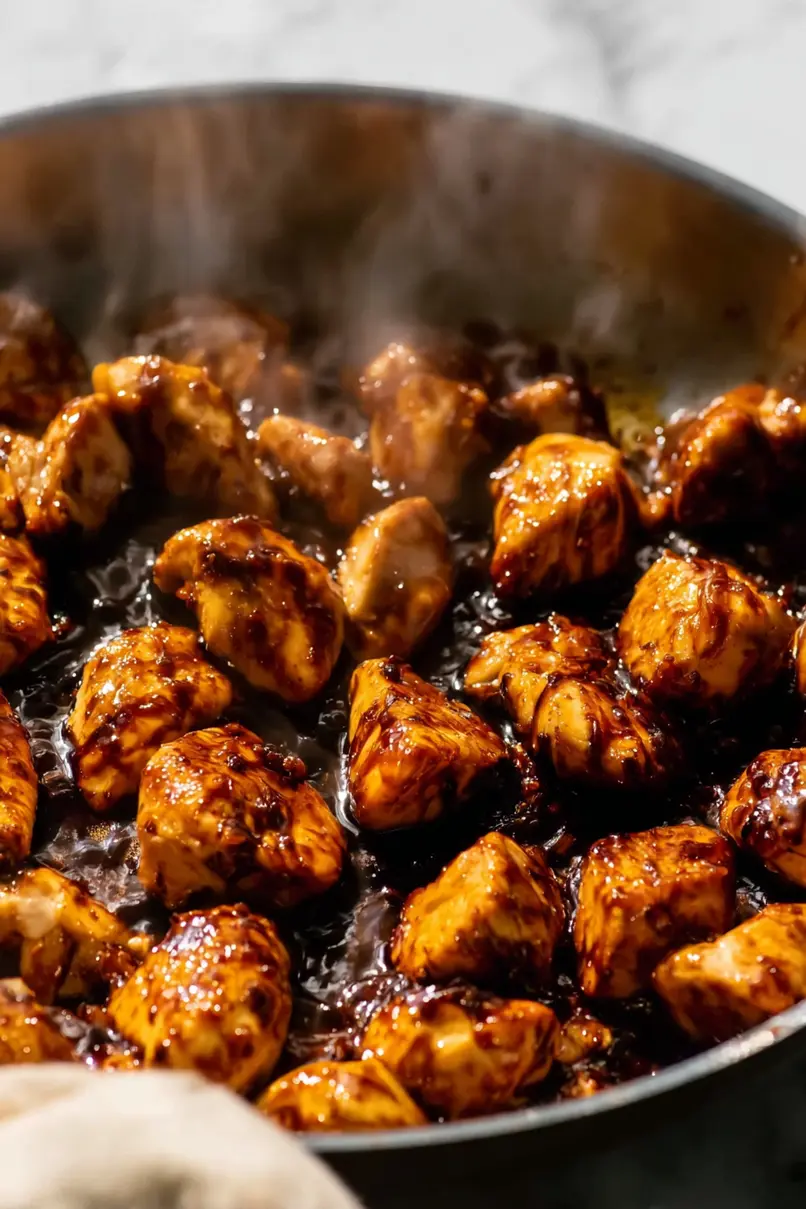
Resist the urge to move them around—let each side develop a golden-brown crust for about 5-6 minutes per side.
This browning creates incredible flavor through the Maillard reaction.
The chicken doesn’t need to be fully cooked through at this stage, just nicely browned on the exterior.
Step 3: Build the Sauce and Finish the Chicken
- Balsamic glaze mixture from Step 1
- Seared chicken from Step 2
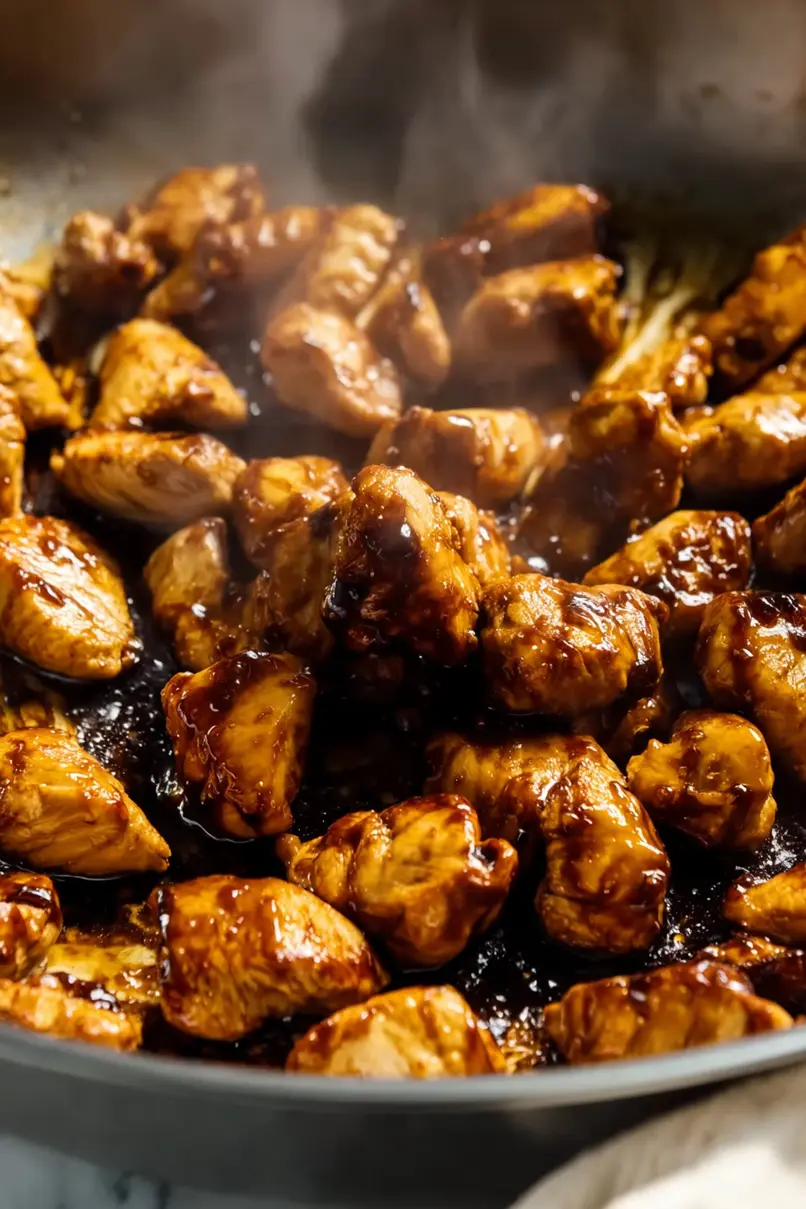
Pour the balsamic glaze mixture from Step 1 directly over the seared chicken in the skillet.
Immediately reduce the heat to medium-low and let everything simmer gently for about 10 minutes, stirring occasionally.
The sauce will reduce and thicken while the chicken cooks through completely—you’ll know it’s done when the chicken is opaque throughout and the sauce has become glossy and concentrated.
I find the sauce reaches the perfect consistency when it lightly coats the back of a spoon.
Step 4: Assemble the Bowls
- Choice of cooked base: white rice, brown rice, quinoa, or couscous
- Choice of vegetables: roasted potatoes, roasted sweet potatoes, roasted asparagus, sautéed bell peppers, steamed or sautéed peas, sautéed or roasted green beans, or halved roasted Brussels sprouts
- Balsamic chicken with sauce from Step 3
Divide your chosen grain base among serving bowls—whether that’s white rice, brown rice, quinoa, couscous, or buttered noodles.
Arrange your selected vegetables around the grain (roasted potatoes, sweet potatoes, roasted asparagus, sautéed bell peppers, steamed peas, roasted or sautéed green beans, or halved Brussels sprouts all work beautifully).
Top each bowl with a portion of the balsamic chicken and sauce, making sure to drizzle any extra glaze over everything for maximum flavor.