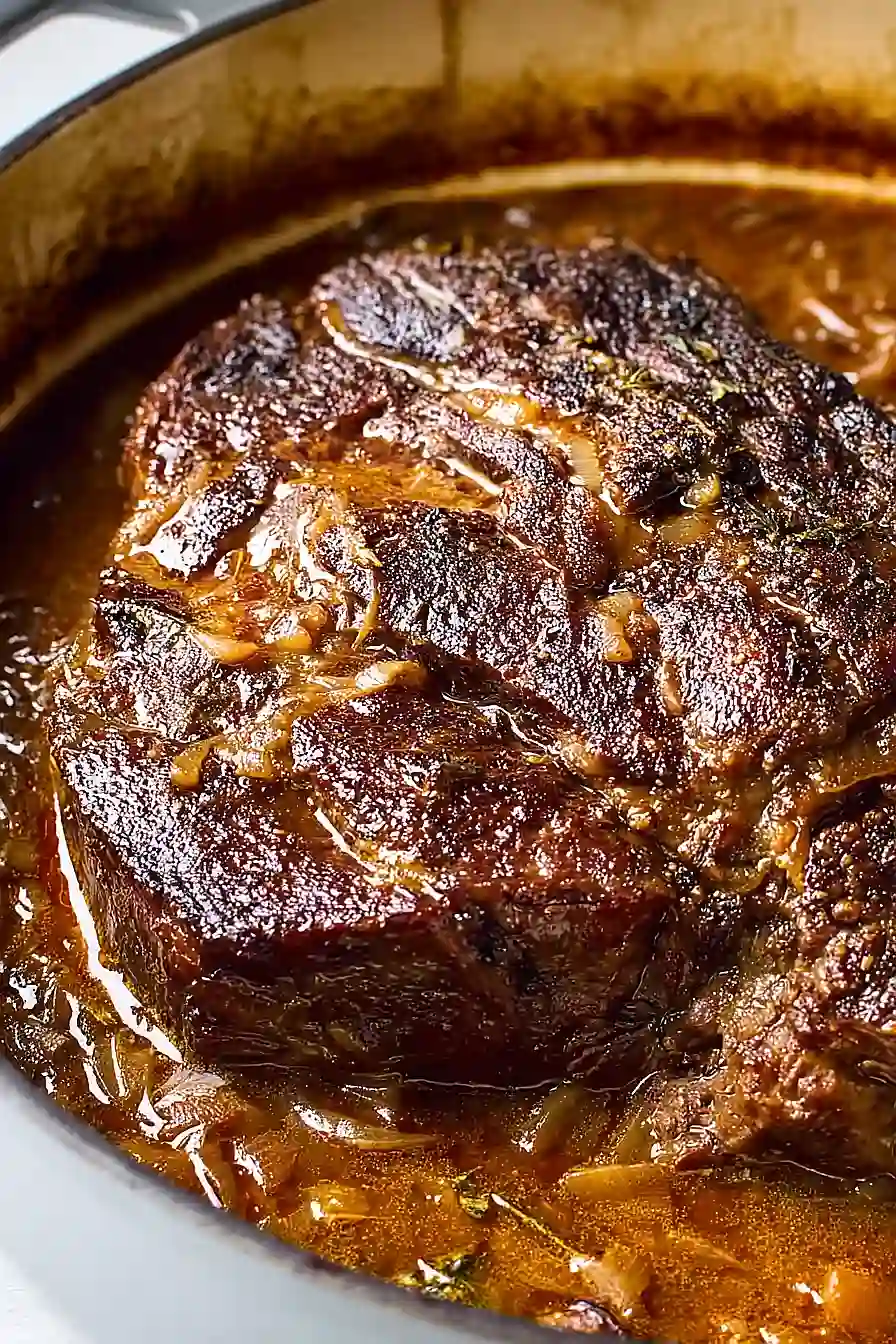
Here are my BBQ ribs with orange juice, featuring tender pork ribs slow-cooked with a sweet and tangy sauce made from BBQ sauce, fresh orange juice, and a hint of smoked paprika.
These ribs are what I make when I want something special but don’t want to spend all day tending a grill. The orange juice adds this really nice citrus sweetness that cuts through the richness of the BBQ sauce, and honestly, my family can’t get enough of them. They’re perfect for a weekend dinner or when you’re feeding a crowd.

Why You’ll Love These BBQ Ribs
- Only 4 ingredients – You probably have most of these in your kitchen already, making this one of the easiest rib recipes you’ll ever make.
- Tender, fall-off-the-bone meat – The long, slow cooking time ensures the ribs come out incredibly tender without any fuss or special techniques.
- Sweet and tangy flavor – The orange juice adds a subtle citrus sweetness that pairs perfectly with your favorite barbecue sauce, creating a flavor that’s a little different from traditional ribs.
- Minimal hands-on time – Just throw everything together and let the oven do the work while you relax or prep your side dishes.
What Kind of Pork Ribs Should I Use?
Country-style pork ribs are actually cut from the shoulder end of the loin, which means they’re meatier and less fatty than traditional spare ribs or baby back ribs. You can find them bone-in or boneless at most grocery stores, and either will work great for this recipe – just know that bone-in ribs tend to have a bit more flavor. If you can’t find country-style ribs, you can substitute with spare ribs or even pork shoulder cut into chunks, though you may need to adjust the cooking time slightly. Look for ribs with good marbling and a nice pink color, and avoid any packages with excessive liquid or an off smell.

Options for Substitutions
This simple rib recipe is easy to customize with what you have on hand:
- Country-style pork ribs: You can use baby back ribs or spare ribs instead. Keep in mind that baby backs will cook a bit faster, while spare ribs might need a little extra time. You could also use beef short ribs if you prefer beef over pork.
- Orange juice: Fresh-squeezed is great, but store-bought works perfectly fine. If you’re out of orange juice, try pineapple juice or apple juice for a similar sweet and tangy effect.
- Vidalia onion: Any sweet onion will work here – try Walla Walla or Maui onions. Regular yellow onions are fine too, though they’ll be a bit sharper in flavor.
- Barbecue sauce: Use whatever sauce you love – whether it’s smoky, sweet, spicy, or tangy. You can even make your own if you’re feeling ambitious, but your go-to bottled brand will do the job just fine.
Watch Out for These Mistakes While Cooking
The biggest mistake when making oven-baked ribs is skipping the low and slow cooking phase – rushing the process at a higher temperature will leave you with tough, chewy meat instead of the fall-off-the-bone texture you’re after.
Another common error is forgetting to remove the thin membrane on the back of the ribs before cooking, which can prevent the sauce from penetrating the meat and makes them harder to eat.
Don’t skip the resting period after baking, as those 15 minutes allow the juices to redistribute throughout the meat, keeping every bite moist and flavorful.
Finally, if your sauce looks too thin or watery after cooking, you can pour it into a small pot and simmer it on the stovetop for a few minutes to thicken it up before serving.

What to Serve With BBQ Ribs?
BBQ ribs are pretty messy and fun to eat, so I always serve them with classic picnic sides that can handle all that sticky sauce. Creamy coleslaw is my go-to because it cuts through the richness of the ribs, and cornbread or corn on the cob adds a nice sweet element that plays well with the orange juice in the sauce. Baked beans are another solid choice, or you could go with mac and cheese if you’re feeding a crowd. Don’t forget plenty of napkins and maybe some potato salad or a simple cucumber salad to round out the meal!
Storage Instructions
Store: Keep your leftover ribs in an airtight container in the fridge for up to 4 days. I like to store them with some of the extra sauce so they don’t dry out. They actually taste even better the next day once all those flavors have had time to soak in!
Freeze: These ribs freeze really well for up to 3 months. Let them cool completely, then wrap them tightly in foil or freezer paper before placing in a freezer bag. Pour any leftover sauce into a separate container to freeze alongside them.
Reheat: For the best results, thaw frozen ribs in the fridge overnight. Then reheat them in a 300°F oven covered with foil for about 20-25 minutes until warmed through. You can also microwave individual portions, but the oven keeps them more tender and juicy.
| Preparation Time | 10-15 minutes |
| Cooking Time | 240-250 minutes |
| Total Time | 250-265 minutes |
| Level of Difficulty | Medium |
| Servings | 4 servings |
Estimated Nutrition
Estimated nutrition for the whole recipe (without optional ingredients):
- Calories: 3700-4100
- Protein: 210-240 g
- Fat: 260-290 g
- Carbohydrates: 100-120 g
Ingredients
For the ribs:
- 4 lb pork ribs (baby back preferred)
- 1 large onion (sliced into 1/2-inch thick rings)
For the sauce:
- 1.5 cups BBQ sauce
- 1.25 cups orange juice (pulp-free)
- 1 teaspoon orange zest
- 1/2 teaspoon smoked paprika
Step 1: Prepare the Ribs and Build the Flavor Base
- 4 lb pork ribs
- 1 large onion
- 1.5 cups BBQ sauce
- 1.25 cups orange juice
- 1 teaspoon orange zest
- 1/2 teaspoon smoked paprika
Preheat your oven to 300°F.
Pat the pork ribs dry with paper towels and arrange them in a large baking dish (9×13 inch or similar).
Scatter the sliced onion rings over and around the ribs—they’ll create a flavorful bed and help prevent sticking.
In a bowl, whisk together the BBQ sauce, orange juice, orange zest, and smoked paprika until well combined.
I like to add the paprika to the liquid mixture rather than dusting it on the ribs because it distributes the smoky flavor evenly throughout the braise.
Step 2: Braise the Ribs Low and Slow
- Ribs and onion bed from Step 1
- BBQ-orange juice mixture from Step 1
Pour the BBQ-orange juice mixture from Step 1 evenly over the ribs and onions.
Cover the baking dish tightly with aluminum foil and place it in the preheated 300°F oven.
Let the ribs braise undisturbed for 3 hours—the low heat and steam will tenderize the meat and allow the flavors to penetrate deeply.
The ribs are done when the meat pulls back from the bones and is fork-tender.
Step 3: Finish with a Caramelized Glaze
- Braised ribs and sauce from Step 2
Carefully remove the foil from the baking dish (watch out for the steam).
Increase the oven temperature to 350°F and return the ribs to the oven uncovered.
Bake for 1 hour total, but halfway through (at 30 minutes), flip the ribs over so they cook evenly and develop a caramelized, sticky coating on both sides.
The sauce will reduce and concentrate, creating a beautiful glaze.
Step 4: Rest and Prepare the Sauce
- Cooked ribs and pan sauce from Step 3
Remove the ribs from the oven and let them rest for 15 minutes before serving—this allows the juices to redistribute, keeping the meat moist and tender.
While resting, carefully pour the pan sauce into a fat separator or small bowl and let it sit for a minute so the fat rises to the top.
Skim off as much fat as you can, then pour the defatted sauce into a serving bowl.
I find using a fat separator takes just 30 seconds and makes a noticeable difference in the final dish’s richness.
Step 5: Plate and Serve
- Rested ribs from Step 4
- Defatted sauce from Step 4
- Caramelized onions
Transfer the rested ribs to a serving platter, drizzle with the defatted sauce, and serve alongside the caramelized onions from the pan.
Spoon any remaining sauce over the ribs at the table for extra flavor and moisture.

Simple BBQ Ribs with Orange Juice
Ingredients
For the ribs:
- 4 lb pork ribs (baby back preferred)
- 1 large onion (sliced into 1/2-inch thick rings)
For the sauce:
- 1.5 cups BBQ sauce
- 1.25 cups orange juice (pulp-free)
- 1 teaspoon orange zest
- 1/2 teaspoon smoked paprika
Instructions
- Preheat your oven to 300°F. Pat the pork ribs dry with paper towels and arrange them in a large baking dish (9x13 inch or similar). Scatter the sliced onion rings over and around the ribs—they'll create a flavorful bed and help prevent sticking. In a bowl, whisk together the BBQ sauce, orange juice, orange zest, and smoked paprika until well combined. I like to add the paprika to the liquid mixture rather than dusting it on the ribs because it distributes the smoky flavor evenly throughout the braise.
- Pour the BBQ-orange juice mixture from Step 1 evenly over the ribs and onions. Cover the baking dish tightly with aluminum foil and place it in the preheated 300°F oven. Let the ribs braise undisturbed for 3 hours—the low heat and steam will tenderize the meat and allow the flavors to penetrate deeply. The ribs are done when the meat pulls back from the bones and is fork-tender.
- Carefully remove the foil from the baking dish (watch out for the steam). Increase the oven temperature to 350°F and return the ribs to the oven uncovered. Bake for 1 hour total, but halfway through (at 30 minutes), flip the ribs over so they cook evenly and develop a caramelized, sticky coating on both sides. The sauce will reduce and concentrate, creating a beautiful glaze.
- Remove the ribs from the oven and let them rest for 15 minutes before serving—this allows the juices to redistribute, keeping the meat moist and tender. While resting, carefully pour the pan sauce into a fat separator or small bowl and let it sit for a minute so the fat rises to the top. Skim off as much fat as you can, then pour the defatted sauce into a serving bowl. I find using a fat separator takes just 30 seconds and makes a noticeable difference in the final dish's richness.
- Transfer the rested ribs to a serving platter, drizzle with the defatted sauce, and serve alongside the caramelized onions from the pan. Spoon any remaining sauce over the ribs at the table for extra flavor and moisture.