Finding a side dish that’s both easy to make and crowd-pleasing for holiday dinners or Sunday meals can feel like a tall order. After all, most candied yam recipes call for turning on your oven, which means waiting for it to preheat, juggling oven space with your other dishes, and keeping an eye on things for close to an hour.
That’s where these stovetop candied yams come in handy: they’re ready in a fraction of the time, free up your oven for other dishes, and deliver that same sweet, buttery flavor your family expects without any fuss.
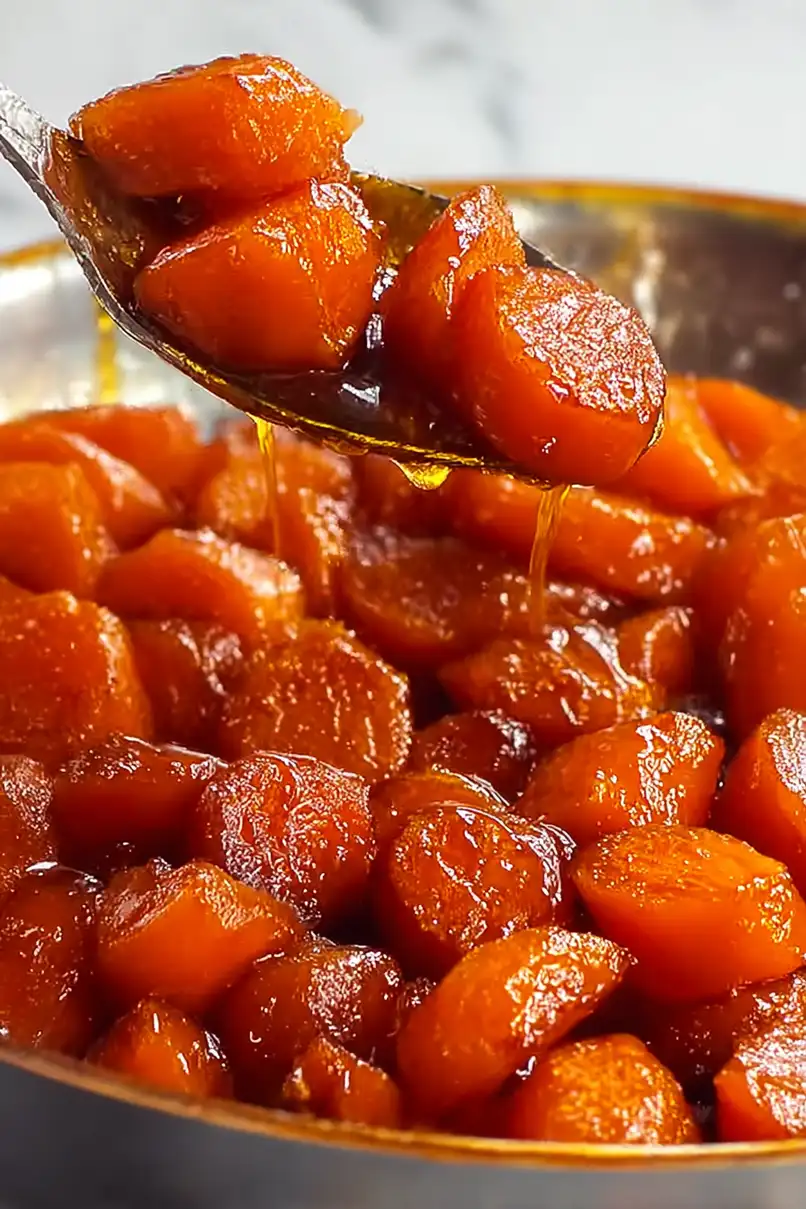
Why You’ll Love These Candied Yams
- Quick stovetop method – Ready in under an hour, these candied yams are faster than the traditional oven-baked version, freeing up your oven for other dishes during holiday meals.
- Perfect balance of flavors – The warm spices like cinnamon, nutmeg, and ginger combined with brown sugar create that classic sweet and cozy taste everyone loves.
- Simple ingredients – You probably already have most of these pantry staples on hand, making this an easy side dish to whip up anytime.
- Holiday favorite – This recipe delivers all the comfort of traditional candied yams without taking up precious oven space, making it ideal for Thanksgiving or any family gathering.
What Kind of Sweet Potatoes Should I Use?
For candied yams, you’ll want to grab the orange-fleshed sweet potatoes you see at most grocery stores – they’re often labeled as “yams” even though they’re technically sweet potatoes. These have a naturally sweet flavor and creamy texture that works perfectly with the butter and sugar in this recipe. You can use either the lighter-skinned variety or the darker reddish-brown ones, as both will give you that classic candied yam taste. When picking them out, look for firm sweet potatoes without any soft spots or sprouting, and try to choose ones that are similar in size so they cook evenly when you cut them up.
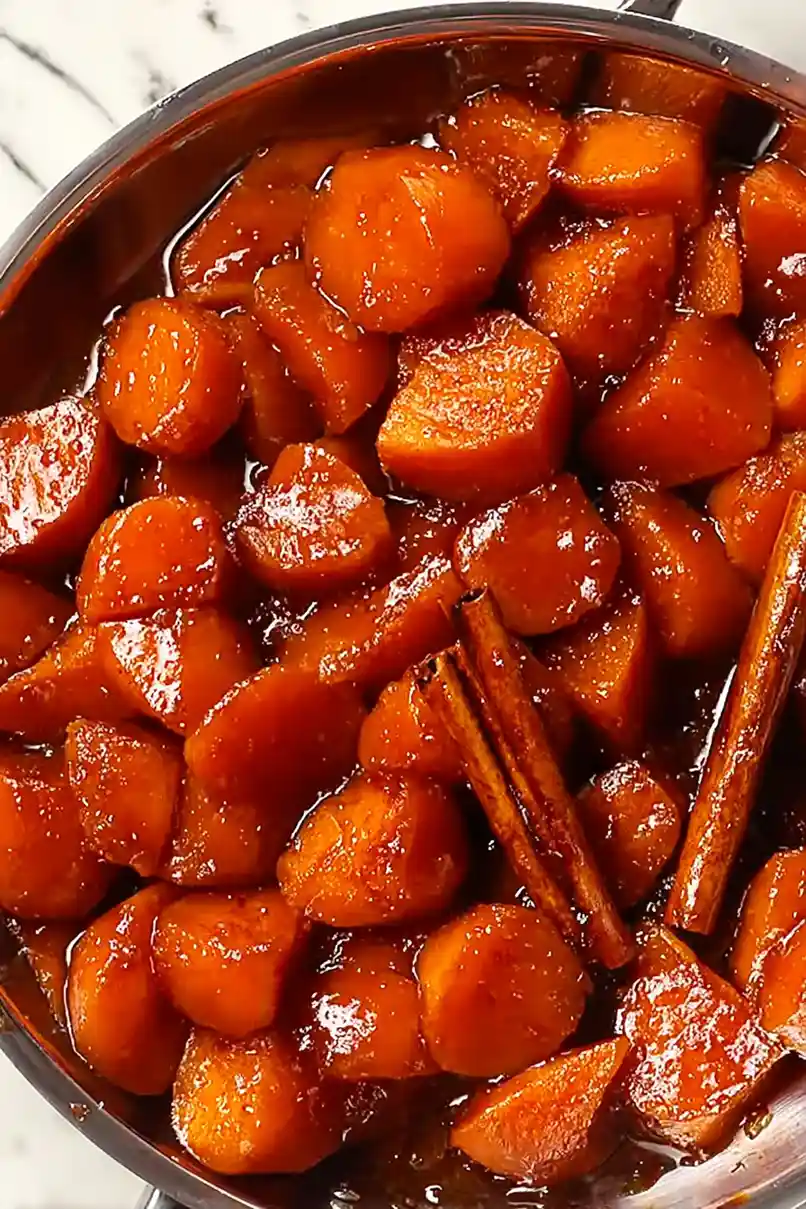
Options for Substitutions
This recipe is pretty forgiving, so here are some swaps you can make if needed:
- Sweet potatoes: You can use yams instead of sweet potatoes, though they’ll cook a bit differently. True yams are starchier and less sweet, so you might want to add a touch more sugar. Either way, keep the pieces about the same size for even cooking.
- Butter: If you need a dairy-free option, coconut oil or vegan butter work well here. The coconut oil will add a subtle tropical note that pairs nicely with the sweet potatoes.
- Brown sugar: Out of brown sugar? Mix 3/4 cup white sugar with 1 tablespoon of molasses. You can also use all granulated sugar if that’s what you have, though you’ll lose some of that rich, caramel-like flavor.
- Spices: Don’t have all the spices? You can use 1 tablespoon of pumpkin pie spice in place of the cinnamon, nutmeg, and ginger. Or just stick with cinnamon alone for a simpler flavor.
- Lemon juice: Bottled lemon juice works fine if you don’t have fresh lemons. You can also use orange juice for a sweeter, less tangy taste.
Watch Out for These Mistakes While Cooking
The biggest mistake when making candied yams is cutting your sweet potatoes too thick, which means they won’t cook through evenly – stick to that 1/2-inch size so they become tender without turning mushy.
Another common error is cranking up the heat to speed things along, but this will burn your sugar mixture and leave you with bitter, scorched yams instead of a glossy glaze, so keep the heat at medium and be patient.
Don’t skip stirring the yams gently every few minutes, as the sugar-heavy mixture can easily stick to the bottom of your pan and burn, ruining the whole dish.
Finally, resist the urge to add the vanilla extract at the beginning – wait until the end so it doesn’t cook off and lose its flavor, giving you that perfect sweet finish.
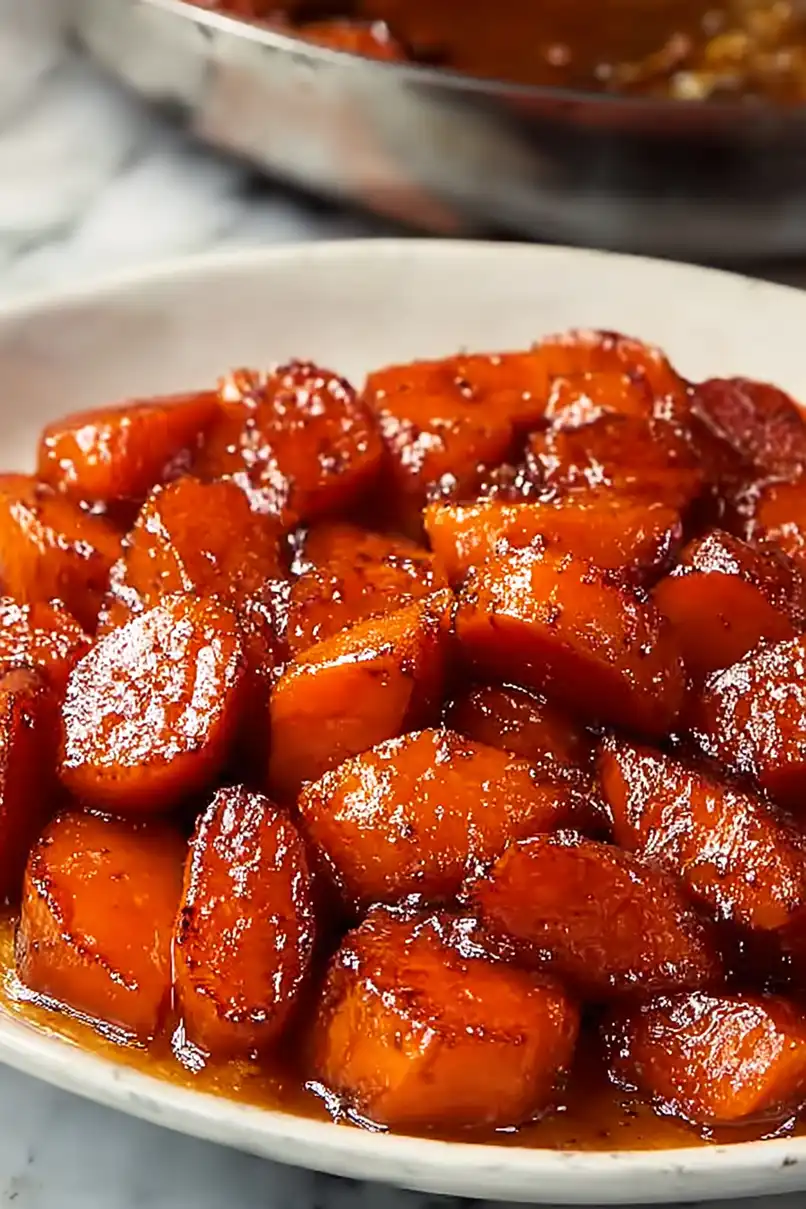
What to Serve With Candied Yams?
Candied yams are a natural fit for any holiday dinner table, so they pair perfectly with roasted turkey, baked ham, or even fried chicken. The sweet and spiced flavors work really well alongside savory dishes like green bean casserole, mac and cheese, or cornbread dressing. I love serving them with something tangy to balance out the sweetness, like cranberry sauce or a simple coleslaw. They’re also great as part of a Southern-style spread with collard greens and black-eyed peas for a complete soul food meal.
Storage Instructions
Store: Keep your leftover candied yams in an airtight container in the fridge for up to 5 days. The sweet glaze will thicken up as it cools, which actually makes them even better the next day! They’re perfect for Thanksgiving meal prep or enjoying throughout the week.
Freeze: You can freeze candied yams for up to 3 months in a freezer-safe container. Just make sure they’re completely cooled first, and leave a little space at the top since the sauce will expand. This is great if you want to make them ahead for the holidays.
Reheat: Warm them up on the stovetop over medium-low heat, stirring occasionally until heated through. You can also microwave individual portions, but I find the stovetop keeps that nice syrupy texture. Add a splash of water if the sauce seems too thick.
| Preparation Time | 10-15 minutes |
| Cooking Time | 30-40 minutes |
| Total Time | 40-55 minutes |
| Level of Difficulty | Easy |
Estimated Nutrition
Estimated nutrition for the whole recipe (without optional ingredients):
- Calories: 2100-2300
- Protein: 8-10 g
- Fat: 75-85 g
- Carbohydrates: 390-410 g
Ingredients
- 3 lb sweet potatoes (peeled and sliced into 1/4-inch rounds)
- 1/2 cup salted butter (I use Kerrygold for rich, creamy results)
- 2 tsp fresh lemon juice (freshly squeezed for best brightness)
- 2 tsp ground cinnamon (freshly ground preferred for more warmth)
- 1/4 tsp ground ginger (adds subtle spice without overpowering)
- 1 cup white sugar
- 2 tbsp vanilla extract (I use Madagascar vanilla for superior flavor)
- 1/2 tsp ground nutmeg
- 3/4 cup dark brown sugar (packed, for deeper molasses flavor)
Step 1: Prepare the Sweet Potatoes
- 3 lb sweet potatoes
Peel the sweet potatoes and slice them into 1/4-inch rounds.
I find that uniform thickness is crucial here—it ensures even cooking so you don’t end up with some pieces still firm while others turn to mush.
Set the sliced potatoes aside in a bowl of cold water to prevent oxidation and keep them fresh until you’re ready to cook.
Step 2: Build the Spiced Sugar Syrup
- 1/2 cup salted butter
- 1 cup white sugar
- 3/4 cup dark brown sugar
- 2 tsp ground cinnamon
- 1/2 tsp ground nutmeg
- 1/4 tsp ground ginger
- 2 tsp fresh lemon juice
Melt the butter over medium heat in a large, heavy-bottomed pan or Dutch oven.
Once melted and foamy, whisk in both the white sugar and packed brown sugar until the mixture becomes thick and syrupy, about 1-2 minutes.
Add the ground cinnamon, nutmeg, and ginger, whisking constantly to distribute the spices evenly and prevent clumping.
Finish by whisking in the fresh lemon juice, which will brighten the warm spices and add complexity to the syrup.
Step 3: Cook the Yams Until Tender
- sweet potato slices from Step 1
- spiced syrup from Step 2
Drain the sweet potatoes from Step 1 and add them to the spiced syrup from Step 2, stirring gently to coat each slice evenly with the mixture.
Increase the heat to medium-high, cover the pan, and bring to a boil.
Once boiling, reduce the heat to medium, stir the potatoes carefully, and cover again.
Cook for 15-20 minutes, stirring occasionally, until the sweet potatoes are fork-tender.
I like to test doneness by piercing a slice with a fork—if it slides through easily, you’re ready for the final step.
Step 4: Finish and Glaze
- 2 tbsp vanilla extract
Uncover the pan and increase the heat to medium-high.
Cook for another 2-3 minutes, stirring gently, until the syrup thickens and reduces slightly—you want it to coat the potatoes like a glossy glaze rather than remain thin and soupy.
Remove the pan from heat and stir in the vanilla extract, distributing it evenly throughout the dish.
The residual heat will cook off any raw vanilla taste while the heat from the potatoes helps release the vanilla’s full aromatic potential.