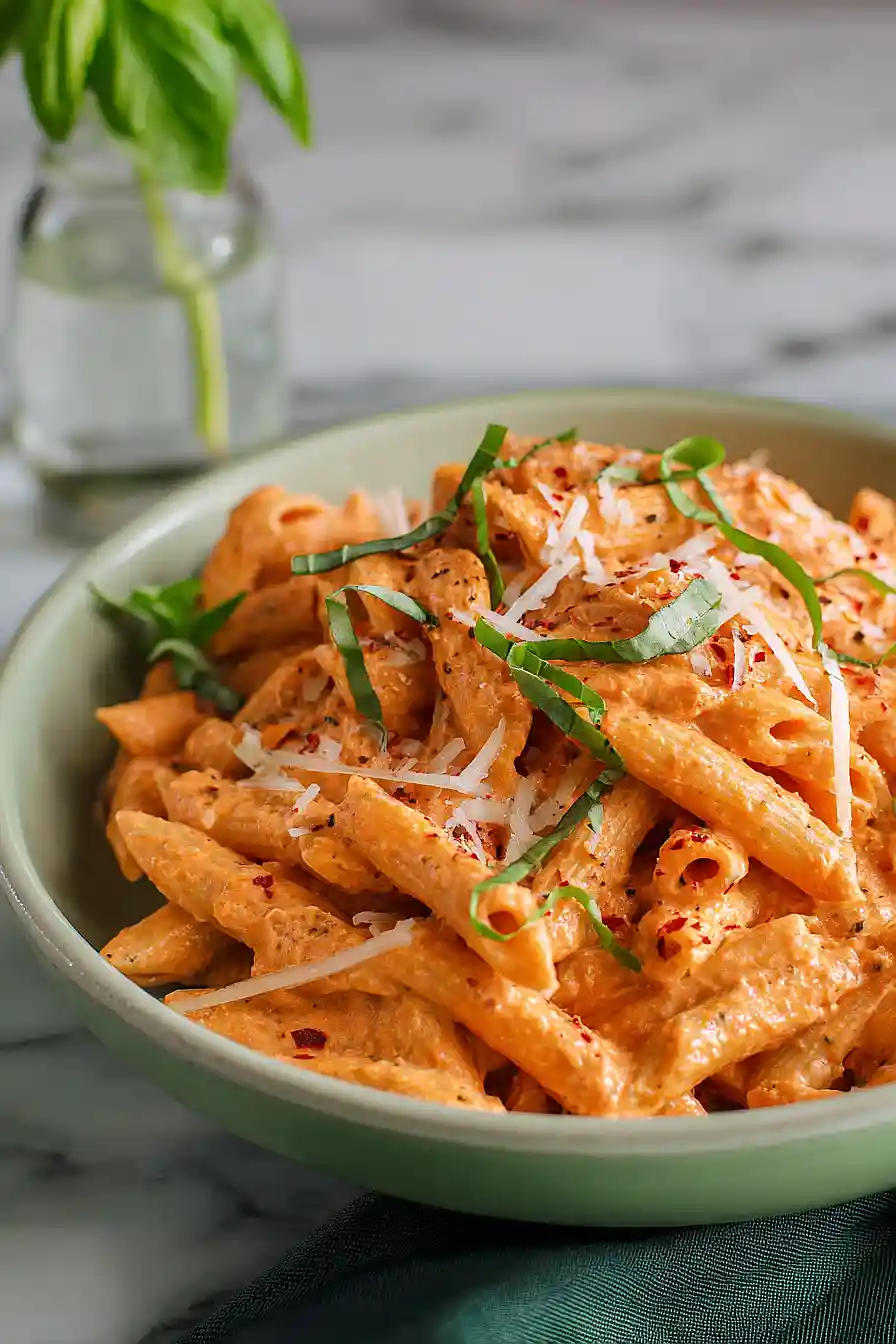
If you ask me, cottage cheese is an underrated pasta sauce ingredient.
This easy weeknight recipe combines creamy cottage cheese with marinara for a sauce that’s higher in protein than your typical pasta dinner. The cottage cheese adds a rich, tangy element that works really well with the tomato base.
It comes together with garlic, red chili flakes, and Italian seasoning for a simple flavor boost. Fresh basil and parmesan cheese help the whole thing come together.
It’s a family-friendly dinner that takes about as long as boiling pasta, perfect for busy weeknights when you need something satisfying.

Why You’ll Love This Cottage Cheese Pasta Sauce
- High-protein twist – The cottage cheese adds extra protein to your pasta dinner, making it more filling and nutritious without changing the classic comfort food vibe.
- Ready in under 30 minutes – This is perfect for busy weeknights when you need something quick but still want a homemade meal on the table.
- Creamy without the heavy cream – You get that rich, creamy sauce texture using cottage cheese instead of heavy cream, which means fewer calories and more protein.
- Pantry-friendly ingredients – Most of these ingredients are things you probably already have in your kitchen, so no special shopping trip needed.
What Kind of Cottage Cheese Should I Use?
Any cottage cheese you have in your fridge will work great for this pasta sauce. Small curd cottage cheese tends to blend more smoothly into the sauce, but large curd works just fine too – it’ll just add a bit more texture. You can go with full-fat, low-fat, or even fat-free cottage cheese depending on your preference, though full-fat will give you the creamiest result. If you want a super smooth sauce without any lumps, just give your cottage cheese a quick blend in a food processor before mixing it with the marinara.
Options for Substitutions
This recipe is pretty forgiving when it comes to swaps, so feel free to work with what you have:
- Cottage cheese: This is really the star of the sauce, so I’d recommend keeping it. However, if you absolutely need a substitute, ricotta cheese works well and gives a similar creamy texture. Greek yogurt can also work in a pinch, though it’ll be tangier.
- Marinara sauce: Any tomato-based pasta sauce will do the trick here. You can use regular tomato sauce, crushed tomatoes, or even diced tomatoes if that’s what you have. Just adjust the seasoning to taste.
- Parmesan: Pecorino Romano makes a great substitute and adds a slightly sharper flavor. In a pinch, any hard Italian cheese will work, or you can skip it altogether if needed.
- Fresh basil: Dried basil works fine – just use about 1 teaspoon instead of the fresh leaves. You can also swap in fresh parsley or skip the herbs entirely since there’s already Italian seasoning in the mix.
- Italian seasoning: If you don’t have Italian seasoning, mix together equal parts dried oregano, basil, and thyme. Or just use whatever dried herbs you have on hand.
- Pasta: Any pasta shape works here, though shorter shapes like penne, rigatoni, or shells hold the sauce nicely. Whole wheat or gluten-free pasta are fine substitutes too.
Watch Out for These Mistakes While Cooking
The biggest mistake people make with this sauce is blending it too thin – start with just 2 tablespoons of pasta water instead of 3, then add more only if needed, since you can always thin it out but can’t thicken it back up easily.
Another common error is cooking the chili flakes over high heat, which burns them and creates a bitter taste rather than the warm spice you’re looking for, so keep that heat on low and watch them carefully.
Don’t skip saving the pasta water before draining – that starchy liquid is your secret weapon for adjusting the sauce consistency and helping it cling to the pasta.
Finally, add the parmesan off the heat or on very low heat to prevent it from clumping into stringy bits instead of melting smoothly into the sauce.
What to Serve With Cottage Cheese Pasta?
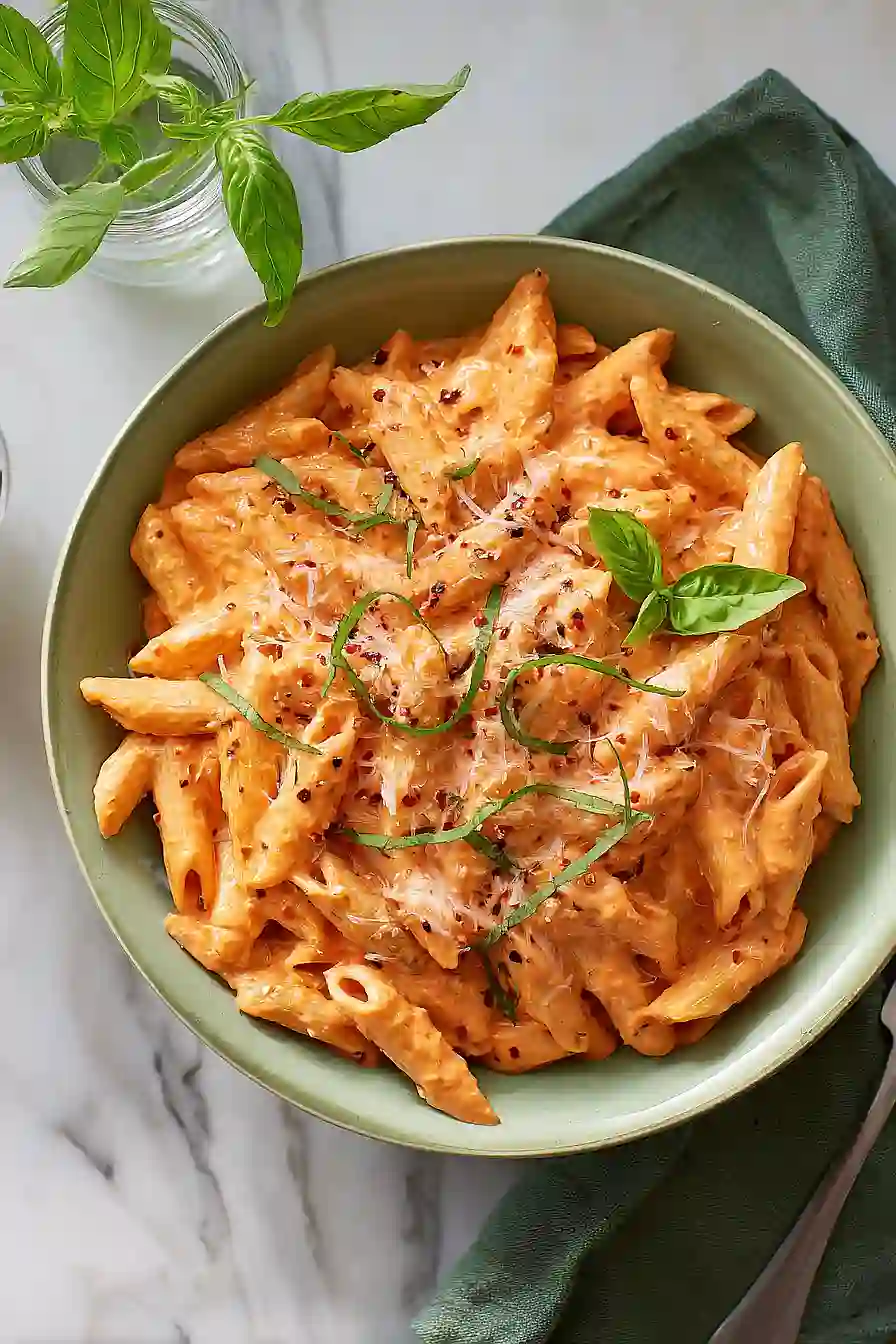
This cottage cheese pasta is pretty filling on its own, but I love pairing it with a simple side salad tossed with olive oil and lemon juice to balance out the richness. Garlic bread is always a good call if you want something to mop up any extra sauce left in your bowl. If you’re feeding a crowd or want to make it more of a complete meal, try adding some grilled chicken on top or serving it alongside roasted vegetables like zucchini or bell peppers. A glass of red wine doesn’t hurt either if you’re in the mood!
Storage Instructions
Store: This pasta keeps well in the fridge for up to 3 days in an airtight container. The sauce might thicken up a bit as it sits, so just add a splash of water or pasta water when you reheat it to bring back that creamy texture.
Freeze: You can freeze the cottage cheese sauce separately for up to 2 months, but I’d recommend cooking fresh pasta when you’re ready to eat. Cottage cheese can sometimes get a little grainy after freezing, but stirring it well while reheating usually helps.
Reheat: Warm it up in a pan over medium-low heat with a little extra olive oil or water to loosen the sauce. The microwave works too, just heat it in 30-second intervals and stir between each one to keep everything creamy and prevent hot spots.
| Preparation Time | 10-15 minutes |
| Cooking Time | 15-20 minutes |
| Total Time | 25-35 minutes |
| Level of Difficulty | Easy |
| Servings | 2 servings |
Estimated Nutrition
Estimated nutrition for the whole recipe (without optional ingredients):
- Calories: 620-700
- Protein: 25-30 g
- Fat: 22-28 g
- Carbohydrates: 80-90 g
Ingredients
For the pasta:
- 2.5 cups pasta (I always use Barilla penne for the best texture)
- water
- 0.75 tsp salt
For the sauce:
- 0.75 cup cottage cheese (I prefer Good Culture for a thicker, creamier sauce)
- 1 cup marinara sauce (I use Rao’s Homemade for authentic flavor)
- 2.5 tsp olive oil
- 0.75 tsp red chili flakes
- 1/2 tsp Italian seasoning
- 1 clove garlic, minced
For the garnish:
- 5 tbsp parmesan
- 5 basil leaves
Step 1: Cook the Pasta and Prepare Aromatics
- 2.5 cups pasta
- water
- 0.75 tsp salt
- 1 clove garlic, minced
- 0.75 tsp red chili flakes
- 0.5 tsp Italian seasoning
Bring a large pot of salted water to a boil—I use about 0.75 teaspoon of salt per 2.5 cups of pasta for well-seasoned water.
Add the penne and cook according to package directions until al dente, then reserve 1/2 cup of the starchy pasta water before draining.
While the pasta cooks, mince the garlic clove and measure out your chili flakes and Italian seasoning so everything is ready when you need it.
Step 2: Create the Creamy Sauce Base
- 0.75 cup cottage cheese
- 1 cup marinara sauce
- 3 tbsp reserved pasta water
In a blender, combine the cottage cheese, marinara sauce, and 3 tablespoons of the reserved pasta water.
Blend until completely smooth and creamy—this is where the texture of your sauce really comes together.
The starchy pasta water helps emulsify the cottage cheese into the marinara, creating a silky sauce rather than a chunky one.
Step 3: Bloom the Spices in Oil
- 2.5 tsp olive oil
- 1 clove garlic, minced
- 0.75 tsp red chili flakes
Heat the olive oil in a large pan over low heat and add the minced garlic and chili flakes.
Cook for just 15-20 seconds, stirring constantly, until fragrant—this quick bloom develops the flavor of the spices without burning them.
I find that brief blooming releases the essential oils and makes the spices taste more vibrant throughout the dish.
Step 4: Build and Season the Sauce
- creamy sauce base from Step 2
- 0.5 tsp Italian seasoning
- salt to taste
Pour the blended sauce from Step 2 into the pan with the bloomed aromatics and stir well to combine.
Add the Italian seasoning and a pinch more salt if desired, tasting as you go.
The heat is still low at this point, so stir gently and let the sauce warm through for about 1-2 minutes without boiling.
Step 5: Combine Pasta and Finish
- cooked penne from Step 1
- 5 tbsp parmesan
- reserved pasta water as needed
Add the cooked penne from Step 1 to the sauce and toss gently to coat all the pasta.
Stir in the parmesan cheese until fully combined, adding a splash of the remaining pasta water if the sauce feels too thick.
The residual heat will warm everything through while keeping the sauce creamy and cling to the pasta.
Step 6: Plate and Garnish
- 5 basil leaves
- additional parmesan
Divide the pasta into bowls and top with fresh basil leaves and additional parmesan if desired.
Serve immediately while the sauce is warm and creamy.
Smooth Cottage Cheese Pasta Sauce
Ingredients
For the pasta
- 2.5 cups pasta (I always use Barilla penne for the best texture)
- water
- 0.75 tsp salt
For the sauce
- 0.75 cup cottage cheese (I prefer Good Culture for a thicker, creamier sauce)
- 1 cup marinara sauce (I use Rao's Homemade for authentic flavor)
- 2.5 tsp olive oil
- 0.75 tsp red chili flakes
- 1/2 tsp Italian seasoning
- 1 clove garlic, minced
For the garnish
- 5 tbsp parmesan
- 5 basil leaves
Instructions
- Bring a large pot of salted water to a boil—I use about 0.75 teaspoon of salt per 2.5 cups of pasta for well-seasoned water. Add the penne and cook according to package directions until al dente, then reserve 1/2 cup of the starchy pasta water before draining. While the pasta cooks, mince the garlic clove and measure out your chili flakes and Italian seasoning so everything is ready when you need it.
- In a blender, combine the cottage cheese, marinara sauce, and 3 tablespoons of the reserved pasta water. Blend until completely smooth and creamy—this is where the texture of your sauce really comes together. The starchy pasta water helps emulsify the cottage cheese into the marinara, creating a silky sauce rather than a chunky one.
- Heat the olive oil in a large pan over low heat and add the minced garlic and chili flakes. Cook for just 15-20 seconds, stirring constantly, until fragrant—this quick bloom develops the flavor of the spices without burning them. I find that brief blooming releases the essential oils and makes the spices taste more vibrant throughout the dish.
- Pour the blended sauce from Step 2 into the pan with the bloomed aromatics and stir well to combine. Add the Italian seasoning and a pinch more salt if desired, tasting as you go. The heat is still low at this point, so stir gently and let the sauce warm through for about 1-2 minutes without boiling.
- Add the cooked penne from Step 1 to the sauce and toss gently to coat all the pasta. Stir in the parmesan cheese until fully combined, adding a splash of the remaining pasta water if the sauce feels too thick. The residual heat will warm everything through while keeping the sauce creamy and cling to the pasta.
- Divide the pasta into bowls and top with fresh basil leaves and additional parmesan if desired. Serve immediately while the sauce is warm and creamy.