I’ve been making ribs for years, but it wasn’t until a friend brought jerk chicken to a cookout that I realized what I’d been missing. That smoky, spicy, sweet combination got stuck in my head. I couldn’t stop thinking about how good those flavors would taste on ribs instead of chicken.
Turns out, jerk seasoning works even better on ribs. The spice blend gets into all the nooks and crannies, and when you slow cook them, the brown sugar caramelizes while the scotch bonnets bring just enough heat to keep things interesting. Fair warning though—this isn’t a throw-it-together-in-five-minutes kind of recipe. You’ll need to plan ahead and let those ribs marinate.
Want ribs that fall off the bone with a kick? This is the recipe you’re looking for. Just make sure you’ve got some cold drinks ready because these pack more heat than your average backyard ribs.
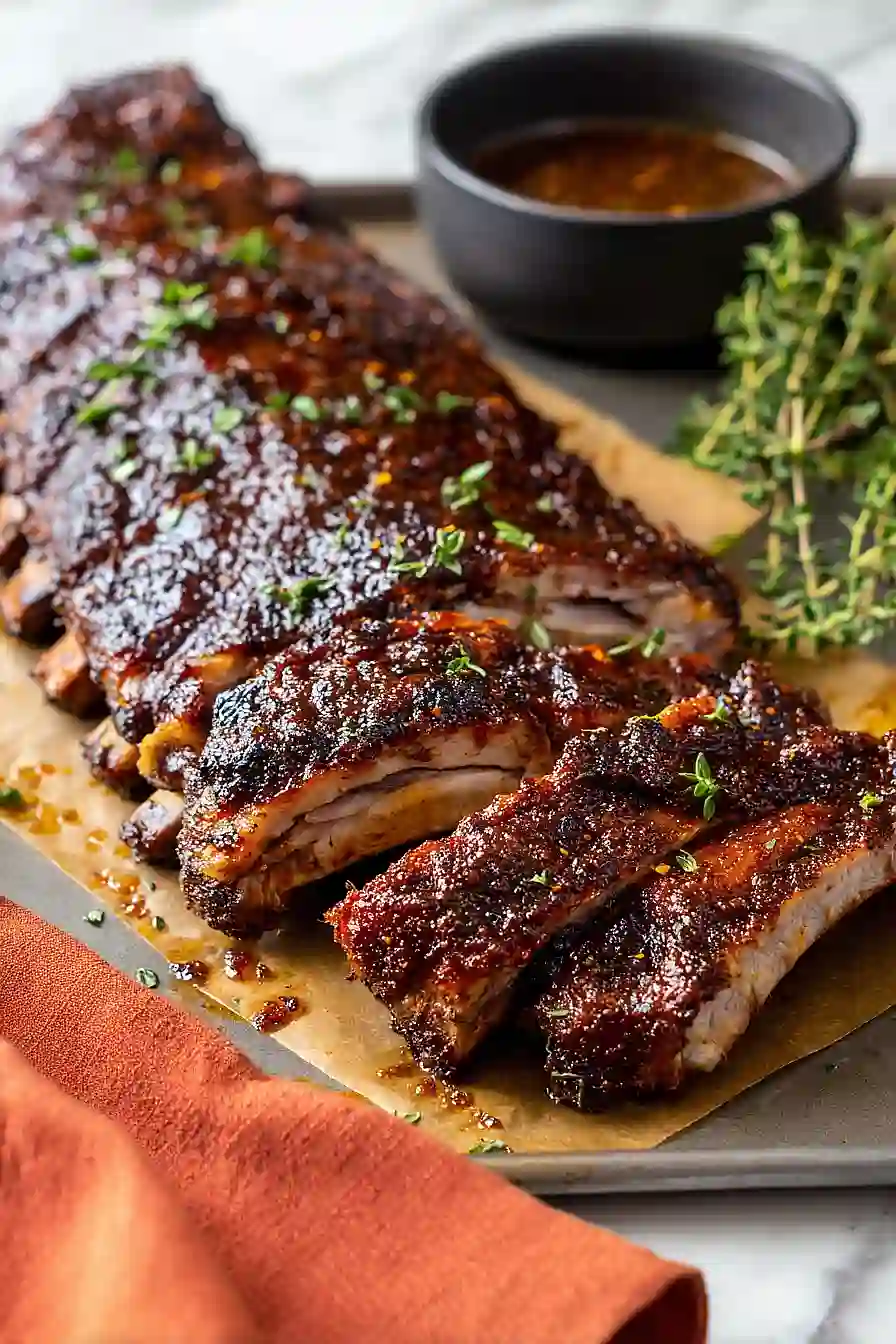
Why You’ll Love These Jamaican Jerk Spare Ribs
- Bold, authentic Caribbean flavors – The combination of Scotch bonnet peppers, allspice, and warm spices creates that signature jerk taste that’ll transport you straight to the islands.
- Simple ingredient list – Most of these spices are probably already in your pantry, and the marinade comes together quickly in just a few minutes.
- Flexible cooking methods – Whether you grill them, bake them, or use your slow cooker, these ribs turn out tender and packed with flavor every time.
- Perfect for gatherings – These ribs are always a hit at cookouts and parties, giving you that restaurant-quality dish that’ll have everyone asking for the recipe.
What Kind of Ribs Should I Use?
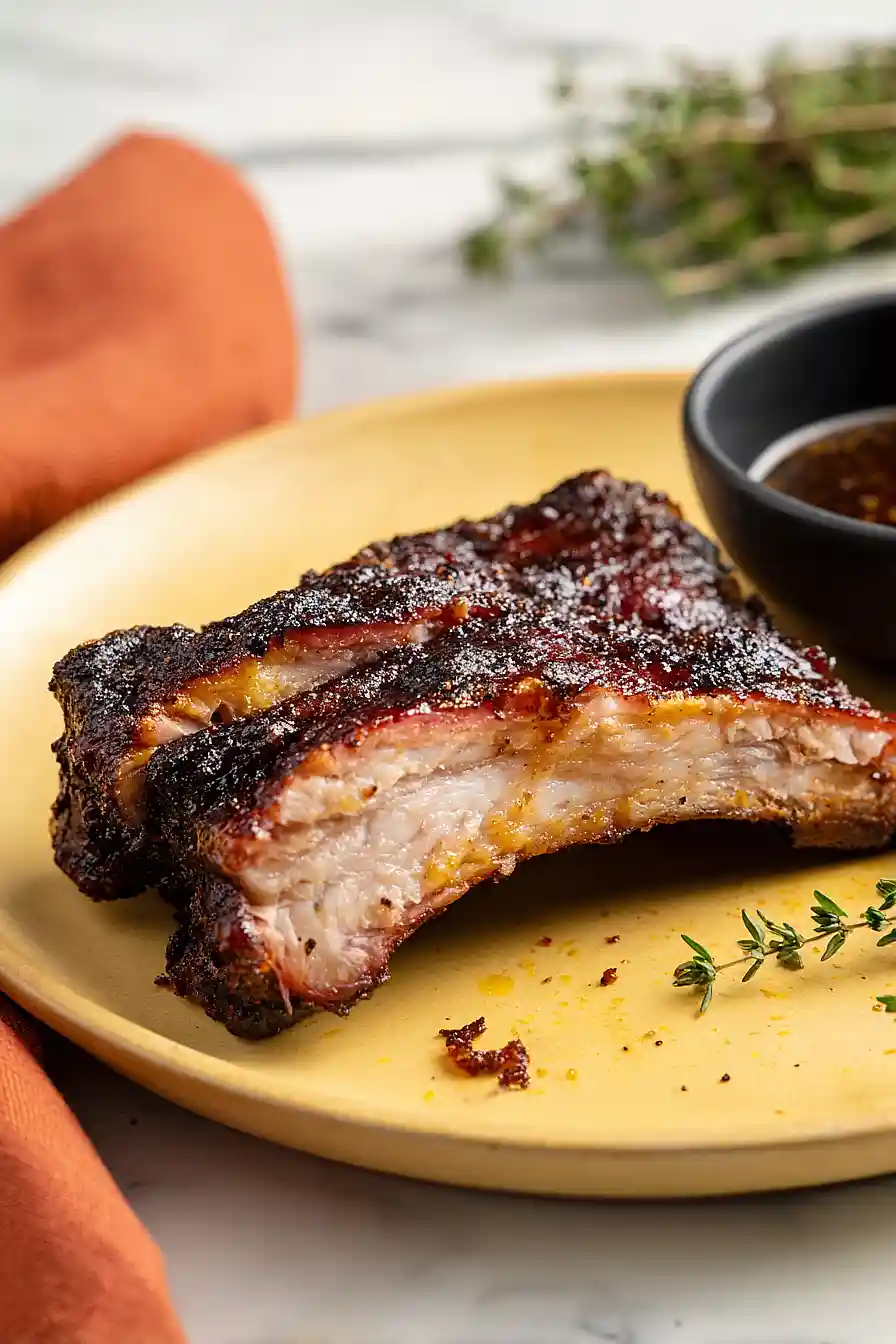
Baby back ribs and spare ribs both work great for this Jamaican jerk recipe, so you can use whichever you prefer or find on sale. Baby back ribs are smaller, leaner, and tend to cook a bit faster, while spare ribs are larger, meatier, and have more fat which can make them extra juicy and flavorful. If you’re new to cooking ribs, baby backs are a little more forgiving and easier to handle. Whichever you choose, look for ribs with a good amount of meat on the bones and avoid any that look dried out or have a lot of exposed bone.
Options for Substitutions
While jerk seasoning has some key flavors you’ll want to keep, there’s still room for a few swaps:
- Scotch bonnet peppers: These are pretty essential for authentic jerk flavor, but if you can’t find them, habaneros are your best bet as they have similar heat and fruity notes. In a pinch, use 2-3 jalapeños plus a dash of hot sauce, though the flavor won’t be quite the same.
- Allspice: This is really the backbone of jerk seasoning, so I wouldn’t recommend skipping it. If you’re out, you can make a substitute by mixing equal parts cinnamon, cloves, and nutmeg, but grab some allspice for next time.
- Ground thyme: Fresh thyme works great here – use about 3 tablespoons of fresh leaves in place of the ground version. Just chop it finely before adding to your rub.
- Light brown sugar: Dark brown sugar, white sugar, or even honey will work. If using honey, reduce the amount to about 1/3 cup and mix it with the oil first.
- Pork ribs: Baby back ribs and spare ribs are interchangeable here. Spare ribs are meatier and fattier, while baby backs are more tender. Either works perfectly with this jerk seasoning.
Watch Out for These Mistakes While Grilling
The biggest mistake when making jerk ribs is rushing the marinating time – those ribs really need at least 8 hours (preferably overnight) for the spices and peppers to work their magic and penetrate the meat.
Don’t skip removing the membrane from the back of the ribs, as leaving it on creates a chewy, rubbery texture that prevents the jerk marinade from soaking in properly.
Temperature control is critical here, so if you’re cooking low and slow, keep your grill steady at 225°F and resist the urge to peek too often, which drops the temperature and extends cooking time.
When handling Scotch bonnet peppers, wear gloves and avoid touching your face – these peppers pack serious heat, and you can always start with fewer peppers if you’re worried about spice level, then add more next time.
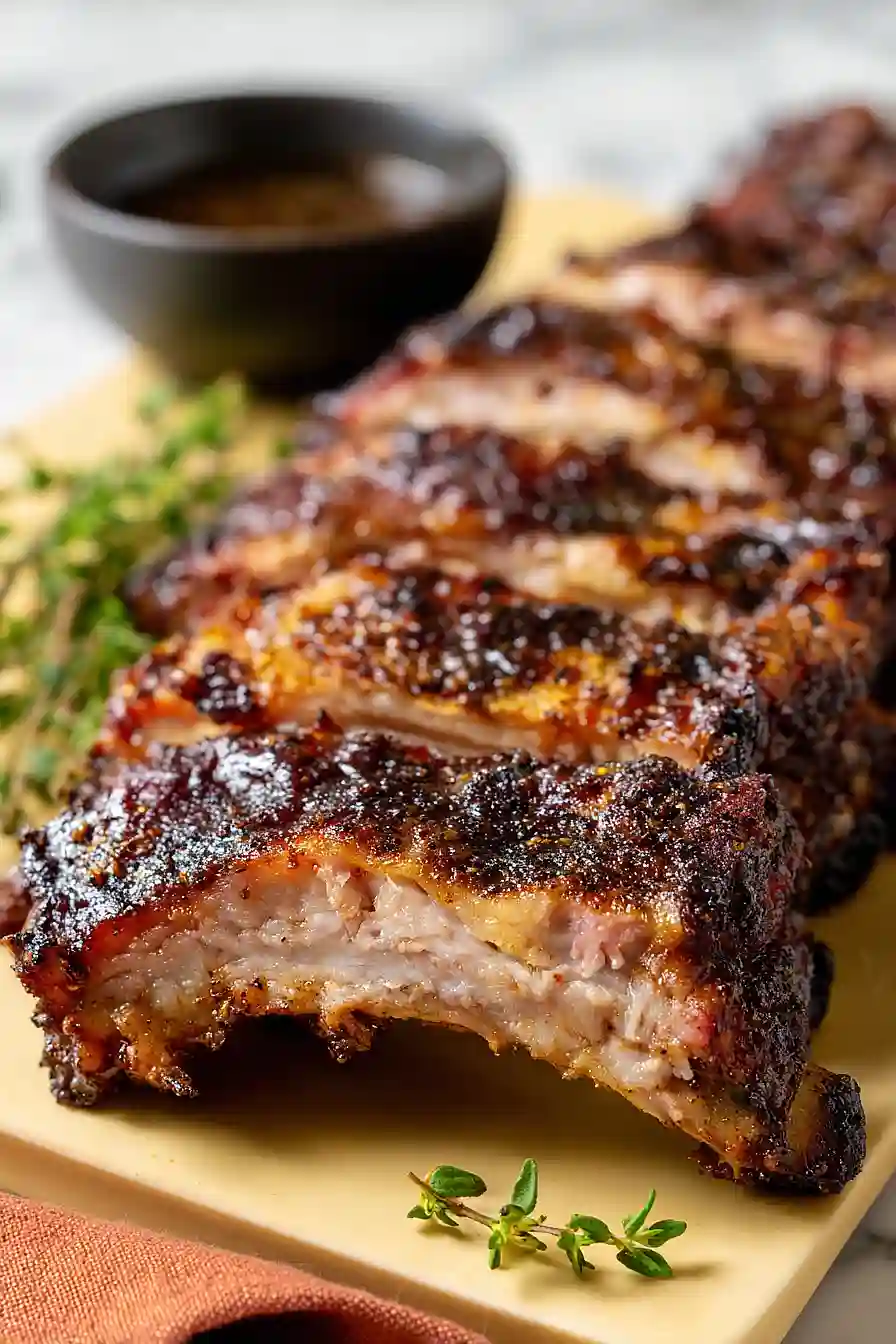
What to Serve With Jamaican Jerk Ribs?
These spicy, sweet ribs are perfect with cooling sides that balance out all that heat from the Scotch bonnets. I love serving them with coconut rice and peas (using kidney beans), which soaks up the jerk sauce beautifully and adds a creamy element to the plate. A simple cabbage slaw with lime juice and a touch of honey helps cut through the richness of the ribs, plus it adds a nice crunch. For something a bit heartier, try roasted sweet potatoes or fried plantains on the side – the natural sweetness pairs really well with the spicy jerk seasoning.
Storage Instructions
Store: Keep your leftover jerk ribs in an airtight container in the fridge for up to 4 days. The flavors actually get even better as they sit, so don’t be surprised if they taste amazing the next day!
Freeze: These ribs freeze really well for up to 3 months. Wrap them tightly in aluminum foil, then place in a freezer-safe bag or container. I like to portion them out before freezing so I can grab just what I need for a quick meal.
Reheat: For the best results, reheat the ribs in the oven at 300°F wrapped in foil until warmed through, about 20-25 minutes. You can also use the microwave in a pinch, but the oven keeps them from drying out and helps maintain that nice texture on the outside.
| Preparation Time | 10-20 minutes |
| Cooking Time | 90-360 minutes |
| Total Time | 100-380 minutes |
| Level of Difficulty | Medium |
| Servings | 4 servings |
Estimated Nutrition
Estimated nutrition for the whole recipe (without optional ingredients):
- Calories: 3300-3700
- Protein: 320-360 g
- Fat: 220-260 g
- Carbohydrates: 75-95 g
Ingredients
For the jerk rub:
- 4 scotch bonnet peppers (seeded and finely minced for uniform heat)
- 8 garlic cloves
- 2 tbsp vegetable oil (I prefer Wesson for its neutral flavor)
- 1/2 cup brown sugar (I use Domino Dark Brown for a deeper molasses taste)
- 3 tbsp allspice
- 1 tbsp thyme
- 1 tsp nutmeg
- 1 tsp cinnamon
- 1 tsp red pepper flakes
- 1 tbsp salt
- 1.5 tsp black pepper
- 2 tbsp fresh ginger, grated
- 2 tbsp fresh lime juice
For the ribs:
- 4 lb baby back ribs (membrane removed for better spice penetration)
Step 1: Prepare the Jerk Spice Paste
- 4 scotch bonnet peppers, seeded and finely minced
- 8 garlic cloves
- 2 tbsp fresh ginger, grated
- 1/2 cup brown sugar
- 2 tbsp vegetable oil
- 2 tbsp fresh lime juice
- 3 tbsp allspice
- 1 tbsp thyme
- 1 tsp nutmeg
- 1 tsp cinnamon
- 1 tsp red pepper flakes
- 1 tbsp salt
- 1.5 tsp black pepper
Combine all dry spices (allspice, thyme, nutmeg, cinnamon, red pepper flakes, salt, and black pepper) in a small bowl and mix together.
In a food processor, combine the minced scotch bonnet peppers, garlic cloves, grated ginger, brown sugar, vegetable oil, and lime juice.
Pulse until the mixture begins to break down, then add the dry spice mixture and blend until you achieve a smooth, thick paste with no large chunks.
I prefer to pulse rather than fully blend to maintain some texture and ensure the spices are evenly distributed throughout—this creates better flavor development during marinating.
Step 2: Prepare and Season the Ribs
- 4 lb baby back ribs, membrane removed
- jerk spice paste from Step 1
Remove the thin membrane from the bone side of the baby back ribs by sliding a sharp knife underneath and peeling it away—this allows the spice paste to penetrate the meat more effectively.
Pat the ribs dry with paper towels, then generously coat both sides with the jerk paste from Step 1, working it into the meat and between the ribs.
Place the coated ribs in a large baking dish or on a rimmed sheet pan, cover tightly with plastic wrap, and refrigerate for at least 8 hours, preferably 24 hours, for maximum flavor development.
I always marinate overnight when possible because the extended time allows the allspice and other warm spices to deeply infuse the meat.
Step 3: Low and Slow Grill Method (Recommended for Best Results)
- marinated ribs from Step 2
Remove the marinated ribs from the refrigerator 30 minutes before cooking to bring them closer to room temperature.
Heat your grill to 225°F (use a grill thermometer for accuracy).
Place the ribs bone-side down on heavy-duty aluminum foil directly on the grill grates.
Cook for 4 to 5 hours, maintaining a consistent temperature, until the internal temperature reaches 195°F when measured at the thickest part of the meat—the ribs should bend easily and the meat should pull back from the bones.
Step 4: Rest and Serve
- cooked ribs from Step 3
Transfer the cooked ribs to a cutting board and let them rest for 10 minutes—this allows the juices to redistribute throughout the meat, keeping each bite moist and tender.
Cut between the bones to separate individual ribs and transfer to a serving platter.
Serve immediately while the ribs are still warm.
Step 5: Alternative: Fast Grill Method (1.5-3 hours)
- marinated ribs from Step 2
If time is limited, heat your grill to 325-350°F.
Place the marinated ribs bone-side down on foil on the grill grates and cook for 1.5 to 3 hours, checking frequently, until the internal temperature reaches 195°F.
Monitor closely as higher heat increases the risk of charring the exterior before the interior is done.
Step 6: Alternative: Oven Method (1.5-3 hours)
- marinated ribs from Step 2
Preheat your oven to 325°F.
Place the marinated ribs bone-side down on a foil-lined baking sheet or in a roasting pan.
Roast uncovered for the first half of cooking, then cover tightly with foil for the remaining time to prevent excessive drying.
Cook for 1.5 to 3 hours until the internal temperature reaches 195°F.
Let rest for 10 minutes before cutting and serving.
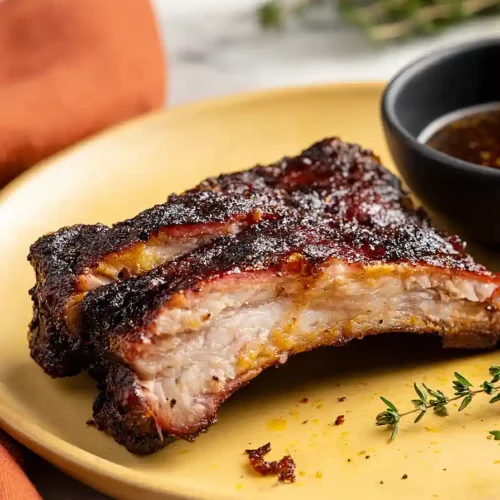
Spicy Jamaican Jerk Spare Ribs
Ingredients
For the jerk rub
- 4 scotch bonnet peppers (seeded and finely minced for uniform heat)
- 8 garlic cloves
- 2 tbsp vegetable oil (I prefer Wesson for its neutral flavor)
- 1/2 cup brown sugar (I use Domino Dark Brown for a deeper molasses taste)
- 3 tbsp allspice
- 1 tbsp thyme
- 1 tsp nutmeg
- 1 tsp cinnamon
- 1 tsp red pepper flakes
- 1 tbsp salt
- 1.5 tsp black pepper
- 2 tbsp fresh ginger, grated
- 2 tbsp fresh lime juice
For the ribs
- 4 lb baby back ribs (membrane removed for better spice penetration)
Instructions
- Combine all dry spices (allspice, thyme, nutmeg, cinnamon, red pepper flakes, salt, and black pepper) in a small bowl and mix together. In a food processor, combine the minced scotch bonnet peppers, garlic cloves, grated ginger, brown sugar, vegetable oil, and lime juice. Pulse until the mixture begins to break down, then add the dry spice mixture and blend until you achieve a smooth, thick paste with no large chunks. I prefer to pulse rather than fully blend to maintain some texture and ensure the spices are evenly distributed throughout—this creates better flavor development during marinating.
- Remove the thin membrane from the bone side of the baby back ribs by sliding a sharp knife underneath and peeling it away—this allows the spice paste to penetrate the meat more effectively. Pat the ribs dry with paper towels, then generously coat both sides with the jerk paste from Step 1, working it into the meat and between the ribs. Place the coated ribs in a large baking dish or on a rimmed sheet pan, cover tightly with plastic wrap, and refrigerate for at least 8 hours, preferably 24 hours, for maximum flavor development. I always marinate overnight when possible because the extended time allows the allspice and other warm spices to deeply infuse the meat.
- Remove the marinated ribs from the refrigerator 30 minutes before cooking to bring them closer to room temperature. Heat your grill to 225°F (use a grill thermometer for accuracy). Place the ribs bone-side down on heavy-duty aluminum foil directly on the grill grates. Cook for 4 to 5 hours, maintaining a consistent temperature, until the internal temperature reaches 195°F when measured at the thickest part of the meat—the ribs should bend easily and the meat should pull back from the bones.
- Transfer the cooked ribs to a cutting board and let them rest for 10 minutes—this allows the juices to redistribute throughout the meat, keeping each bite moist and tender. Cut between the bones to separate individual ribs and transfer to a serving platter. Serve immediately while the ribs are still warm.
- If time is limited, heat your grill to 325-350°F. Place the marinated ribs bone-side down on foil on the grill grates and cook for 1.5 to 3 hours, checking frequently, until the internal temperature reaches 195°F. Monitor closely as higher heat increases the risk of charring the exterior before the interior is done.
- Preheat your oven to 325°F. Place the marinated ribs bone-side down on a foil-lined baking sheet or in a roasting pan. Roast uncovered for the first half of cooking, then cover tightly with foil for the remaining time to prevent excessive drying. Cook for 1.5 to 3 hours until the internal temperature reaches 195°F. Let rest for 10 minutes before cutting and serving.