If you ask me, fettuccine alfredo is one of those recipes everyone should know how to make.
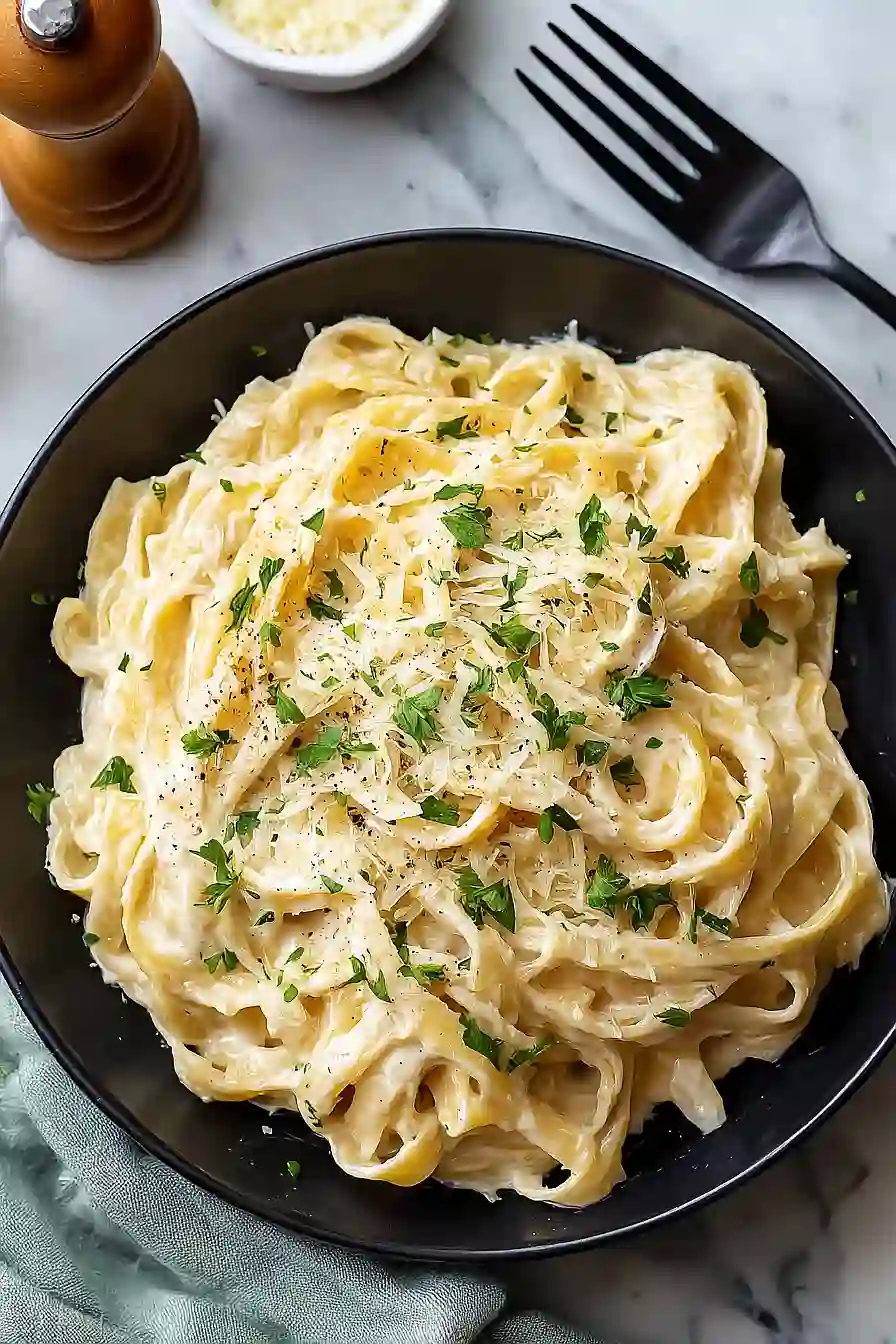
This classic Italian-American pasta dish comes together with just a handful of ingredients and delivers rich, creamy comfort in every bite. Silky ribbons of fettuccine get coated in a buttery sauce made with heavy cream and two kinds of cheese.
The key is using quality butter and freshly grated romano and parmesan that melt into the sauce perfectly. A little garlic salt and a pinch of nutmeg add just enough flavor without overdoing it.
It’s the kind of dinner that feels fancy but is actually pretty straightforward to pull off on a weeknight.
Why You’ll Love This Fettuccine Alfredo
- Ready in under 30 minutes – This creamy pasta comes together quickly, making it perfect for busy weeknights when you need dinner on the table fast.
- Simple ingredients – You probably have most of these staples in your kitchen already – butter, cream, cheese, and pasta are all you need for this classic dish.
- Restaurant-quality at home – The rich, creamy sauce with two types of cheese tastes just like what you’d get at an Italian restaurant, but for a fraction of the cost.
- Crowd-pleasing comfort food – Everyone loves a good fettuccine alfredo, making this a reliable choice for family dinners or when you have guests over.
What Kind of Pasta Should I Use?
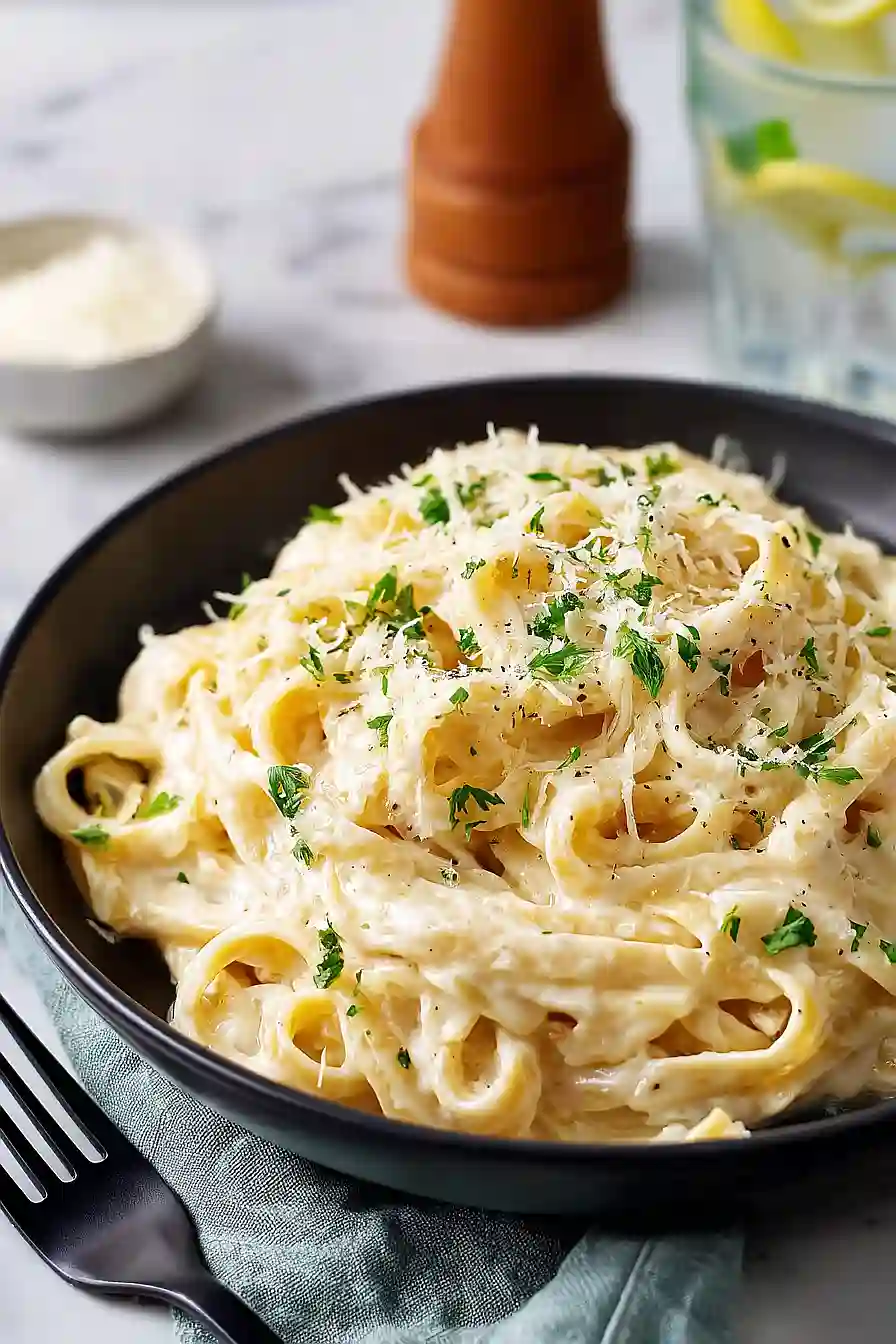
Fresh fettuccine is always going to give you the best texture and flavor for this recipe, but dried pasta from the store works perfectly fine too. If you can’t find fettuccine, you can easily swap in linguine or even pappardelle – any flat, ribbon-style pasta will hold onto that creamy sauce nicely. Just make sure you cook your pasta until it’s al dente, which means it should still have a slight bite to it when you drain it. And here’s a pro tip: save about a cup of that starchy pasta water before draining, because you can use it to adjust the consistency of your sauce if it gets too thick.
Options for Substitutions
This classic pasta dish is pretty straightforward, but here are some swaps you can make if needed:
- Fettuccine: You can use linguine, pappardelle, or even spaghetti in place of fettuccine. The sauce will coat any long pasta nicely, though wider noodles hold the creamy sauce best.
- Butter: While butter is really important for authentic Alfredo flavor, you can cut the amount in half and add a bit more cream if you’re watching your fat intake. Just know the sauce won’t be quite as rich.
- Heavy cream: Half-and-half can work in a pinch, though your sauce will be thinner. If using half-and-half, consider adding an extra tablespoon of flour whisked into the cream to help it thicken up.
- Romano cheese: If you can’t find Romano, just use all Parmesan cheese. You can also try Pecorino Romano for a sharper, saltier taste.
- Parmesan cheese: Freshly grated Parmesan is best here – the pre-shredded stuff contains anti-caking agents that can make your sauce grainy. Don’t substitute this one if you want a smooth, creamy result.
Watch Out for These Mistakes While Cooking
The biggest mistake people make with fettuccine alfredo is cranking up the heat too high, which can cause the cream to break and the cheese to turn grainy instead of smooth and silky. Keep your burner on low to medium-low when melting the butter and cream together, and be patient – rushing this step ruins the sauce every time. Another common error is adding the cheese all at once, so sprinkle it in gradually while stirring constantly to help it melt evenly into the cream. Don’t forget to save a cup of pasta water before draining – if your sauce gets too thick, a splash of that starchy water will loosen it up and help it cling better to the noodles. Finally, make sure your pasta is hot when you toss it with the sauce, as cold noodles will cause the butter to solidify and leave you with a clumpy mess instead of a creamy coating.
What to Serve With Fettuccine Alfredo?
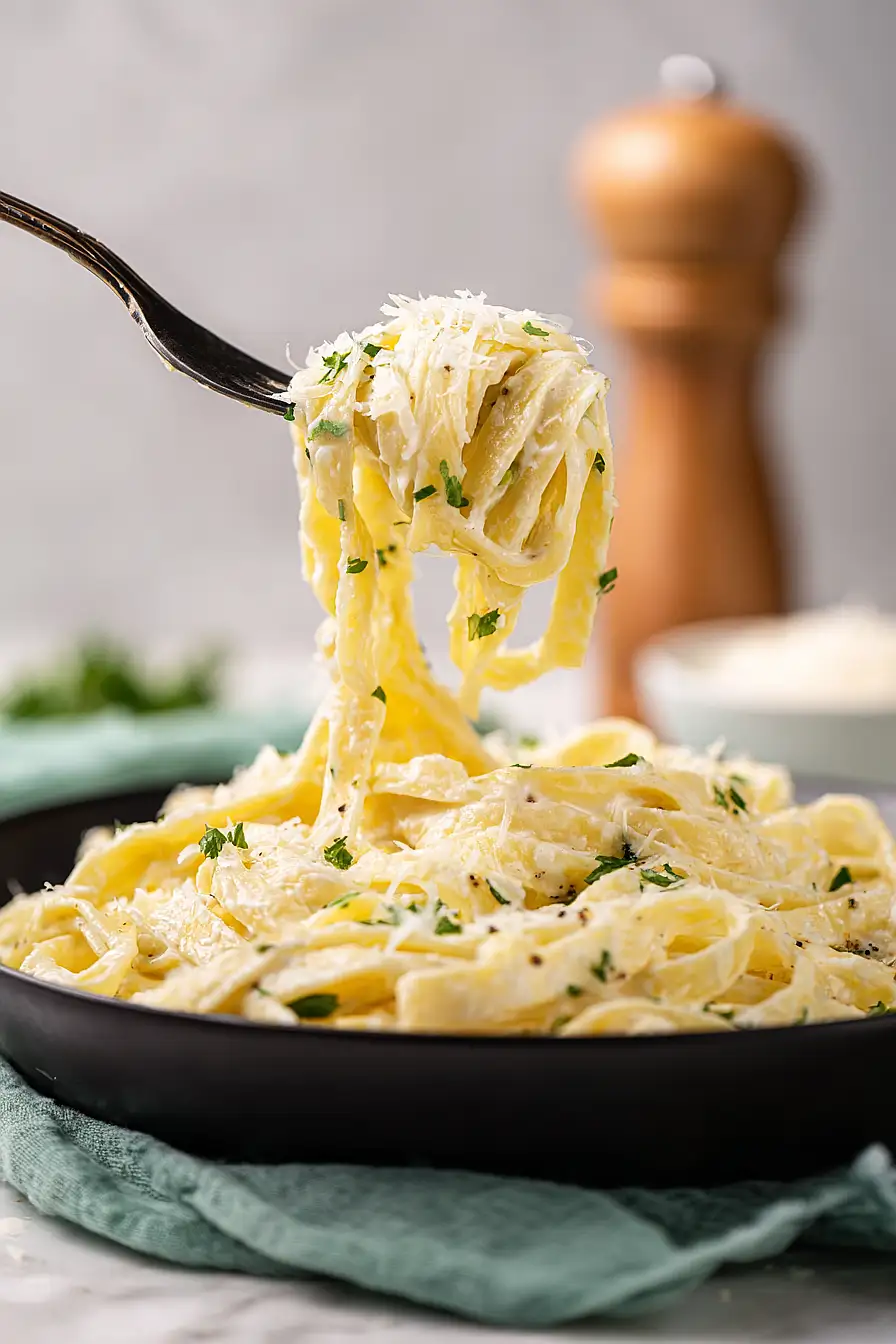
Since fettuccine alfredo is pretty rich and creamy, I like to balance it out with something fresh and light on the side. A simple Caesar salad or mixed greens with a lemon vinaigrette cuts through all that butter and cream perfectly. Garlic bread is always a good call if you want to keep things classic, and it’s great for soaking up any extra sauce left on your plate. If you want to add some protein, grilled chicken, shrimp, or even pan-seared salmon work really well on top of the pasta or served alongside it.
Storage Instructions
Store: Leftover fettuccine alfredo will keep in an airtight container in the fridge for about 3 to 4 days. The sauce might thicken up quite a bit as it sits, but that’s totally normal with cream-based pasta dishes.
Freeze: You can freeze alfredo, though the sauce may separate a little when thawed. Store it in a freezer-safe container for up to 2 months. Just know it won’t be quite as creamy as fresh, but it’s still a decent option if you have a lot left over.
Reheat: Warm it up gently on the stovetop over low heat, adding a splash of cream or milk to help bring the sauce back together. Stir frequently until it’s heated through. You can also microwave it in 30-second intervals, stirring between each one and adding a bit of liquid to loosen it up.
| Preparation Time | 10-15 minutes |
| Cooking Time | 15-20 minutes |
| Total Time | 25-35 minutes |
| Level of Difficulty | Easy |
| Servings | 6 servings |
Estimated Nutrition
Estimated nutrition for the whole recipe (without optional ingredients):
- Calories: 4100-4300
- Protein: 80-95 g
- Fat: 230-250 g
- Carbohydrates: 400-420 g
Ingredients
- 24 oz fettuccine (I always use Barilla for the best al dente texture)
- 1 cup butter (I like Kerrygold unsalted butter for this)
- 14 fl oz cream
- salt
- pepper
- 1 tsp garlic salt
- 0.75 cup romano cheese (freshly grated for a smoother melt)
- 0.5 cup parmesan cheese
- Pinch of freshly grated nutmeg
Step 1: Start the Pasta Water and Prepare Mise en Place
- Water
- Salt
- 0.75 cup romano cheese, freshly grated
- 0.5 cup parmesan cheese, freshly grated
Fill a large pot with water and bring it to a rolling boil, then add a generous pinch of salt—this is your only opportunity to season the pasta itself.
While the water heats, finely grate both the romano and parmesan cheeses and set them aside together; I always grate fresh cheese rather than using pre-grated because it melts into a much silkier sauce without the anti-caking agents.
Have all your ingredients measured and ready before you begin cooking the sauce, as this dish comes together very quickly once the cream hits the pan.
Step 2: Cook the Pasta to Al Dente
- 24 oz fettuccine
Add the fettuccine to the boiling salted water and cook for 8-10 minutes, stirring occasionally to prevent sticking.
The pasta should have a slight firmness when you bite it—it will continue to cook slightly when tossed with the hot sauce.
Drain the pasta in a colander, reserving about 1 cup of the starchy pasta water; this water is liquid gold for adjusting the sauce consistency later if needed.
Step 3: Build the Cream Base with Butter
- 1 cup butter
- 14 fl oz cream
- 1 tsp garlic salt
- Salt
- Pepper
While the pasta cooks, add the butter to a large pan or skillet and place it over low heat.
Pour in the cream slowly, stirring gently to combine as the butter melts; keeping the heat low prevents the cream from breaking or becoming grainy.
Once fully combined and smooth, add the garlic salt, salt, and pepper to taste—season carefully as the cheese will add more saltiness.
Step 4: Melt the Cheese Into the Sauce
- Grated cheese mixture from Step 1
- Pinch of freshly grated nutmeg
- Reserved pasta water
Increase the heat to medium and add the grated cheese mixture from Step 1, stirring constantly to help it melt smoothly into the cream.
The cheese will begin melting within 1-2 minutes; keep stirring to ensure it incorporates fully and the sauce becomes thick and creamy rather than clumpy.
Finish by adding a pinch of freshly grated nutmeg—this subtle warmth rounds out the richness beautifully.
If the sauce seems too thick, add a splash of the reserved pasta water to loosen it to your preferred consistency.
Step 5: Combine Pasta with Sauce and Serve
- Cooked pasta from Step 2
- Cheese sauce from Step 4
Add the drained pasta from Step 2 directly to the sauce and toss gently but thoroughly for 30-60 seconds, allowing every strand to coat evenly.
The residual heat will continue to cook the pasta slightly and help it absorb the sauce.
Plate immediately and serve right away, as this dish is best enjoyed while piping hot—the sauce will thicken as it cools, so don’t let it sit.

Tasty Fettuccine Alfredo
Ingredients
- 24 oz fettuccine (I always use Barilla for the best al dente texture)
- 1 cup butter (I like Kerrygold unsalted butter for this)
- 14 fl oz cream
- salt
- pepper
- 1 tsp garlic salt
- 0.75 cup romano cheese (freshly grated for a smoother melt)
- 0.5 cup parmesan cheese
- Pinch of freshly grated nutmeg
Instructions
- Fill a large pot with water and bring it to a rolling boil, then add a generous pinch of salt—this is your only opportunity to season the pasta itself. While the water heats, finely grate both the romano and parmesan cheeses and set them aside together; I always grate fresh cheese rather than using pre-grated because it melts into a much silkier sauce without the anti-caking agents. Have all your ingredients measured and ready before you begin cooking the sauce, as this dish comes together very quickly once the cream hits the pan.
- Add the fettuccine to the boiling salted water and cook for 8-10 minutes, stirring occasionally to prevent sticking. The pasta should have a slight firmness when you bite it—it will continue to cook slightly when tossed with the hot sauce. Drain the pasta in a colander, reserving about 1 cup of the starchy pasta water; this water is liquid gold for adjusting the sauce consistency later if needed.
- While the pasta cooks, add the butter to a large pan or skillet and place it over low heat. Pour in the cream slowly, stirring gently to combine as the butter melts; keeping the heat low prevents the cream from breaking or becoming grainy. Once fully combined and smooth, add the garlic salt, salt, and pepper to taste—season carefully as the cheese will add more saltiness.
- Increase the heat to medium and add the grated cheese mixture from Step 1, stirring constantly to help it melt smoothly into the cream. The cheese will begin melting within 1-2 minutes; keep stirring to ensure it incorporates fully and the sauce becomes thick and creamy rather than clumpy. Finish by adding a pinch of freshly grated nutmeg—this subtle warmth rounds out the richness beautifully. If the sauce seems too thick, add a splash of the reserved pasta water to loosen it to your preferred consistency.
- Add the drained pasta from Step 2 directly to the sauce and toss gently but thoroughly for 30-60 seconds, allowing every strand to coat evenly. The residual heat will continue to cook the pasta slightly and help it absorb the sauce. Plate immediately and serve right away, as this dish is best enjoyed while piping hot—the sauce will thicken as it cools, so don't let it sit.