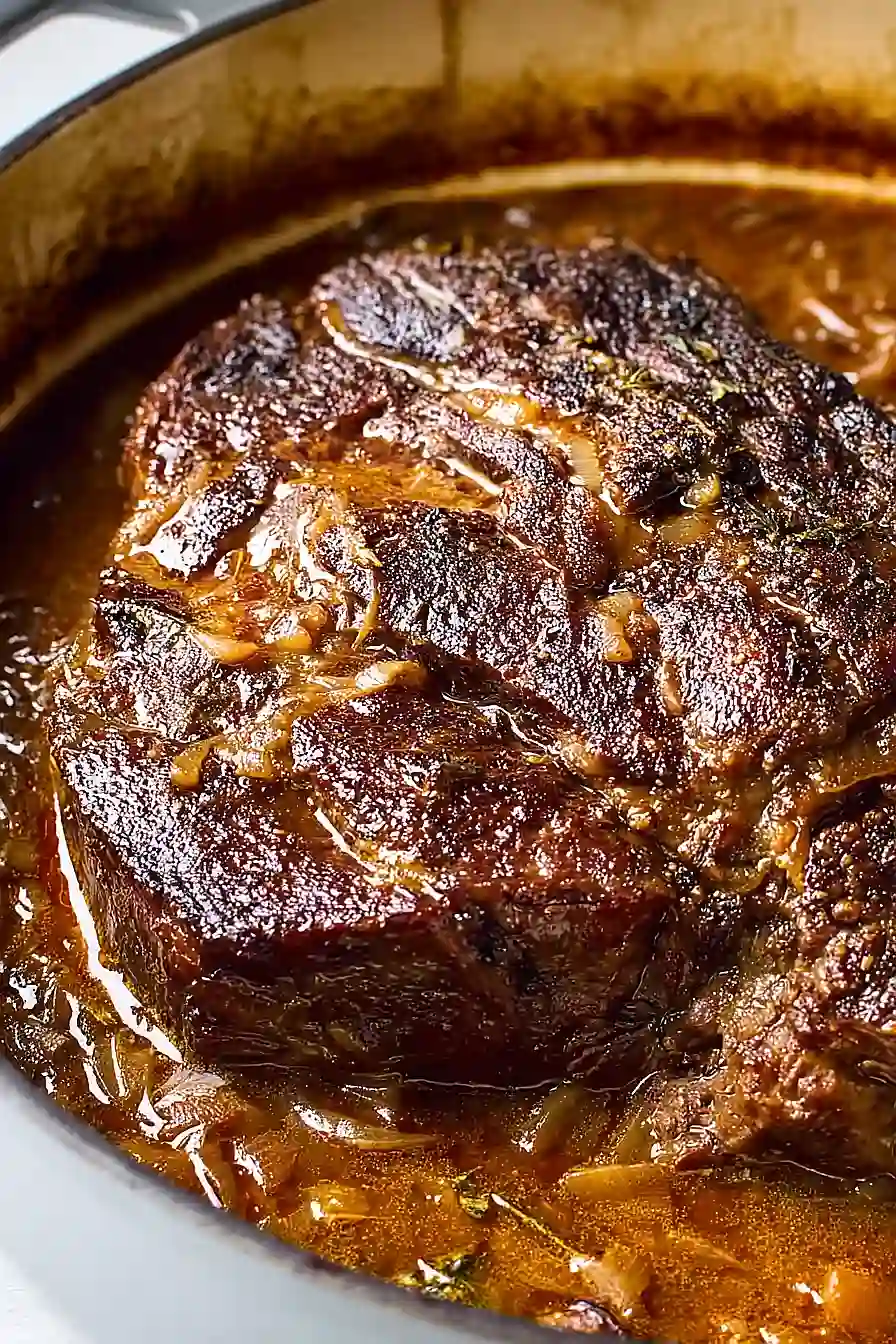
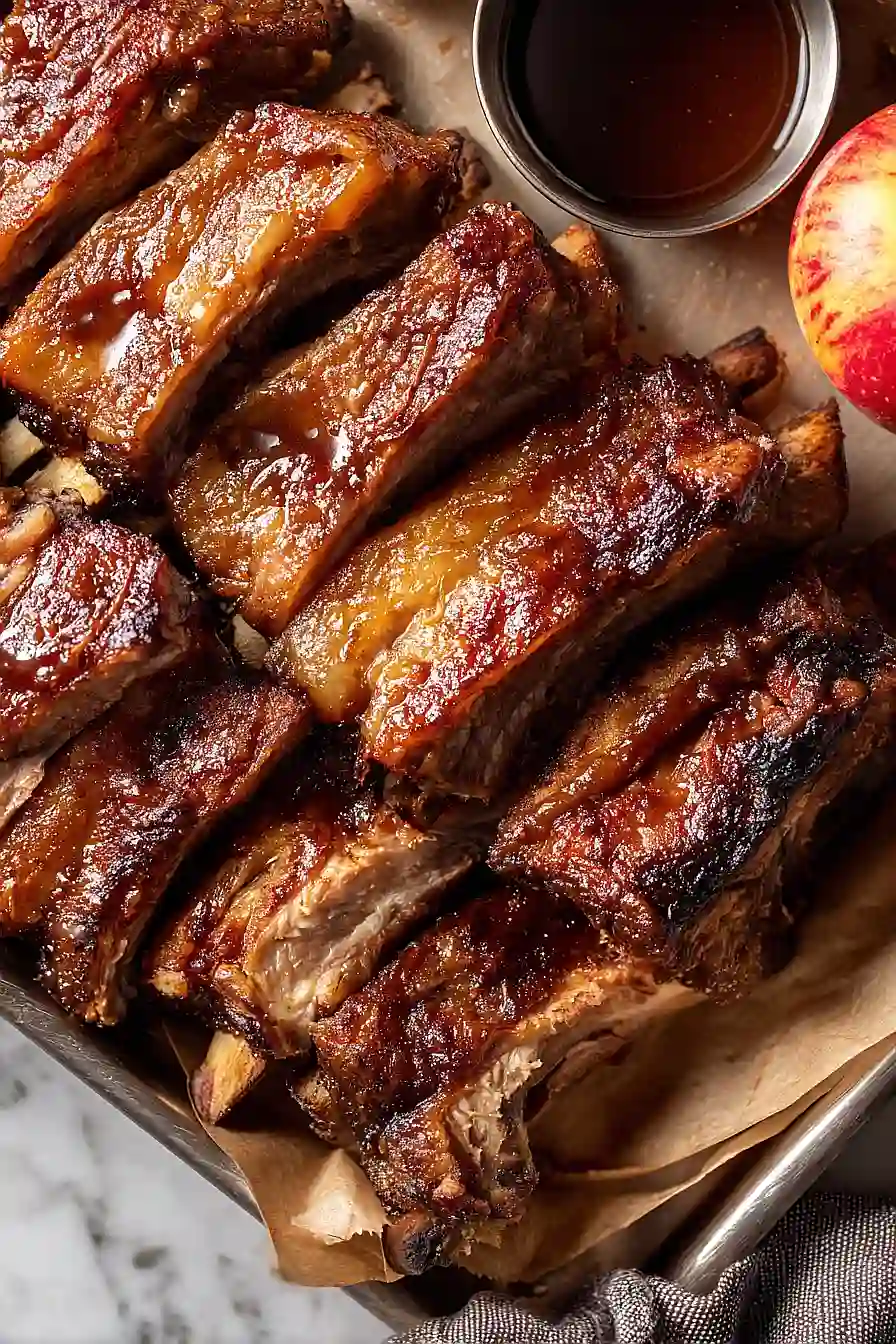
Here is my favorite spare ribs recipe, with tender pork ribs braised in apple cider, then glazed with a sweet and tangy sauce made with balsamic vinegar, brown sugar, ketchup, and a kick of horseradish.
These spare ribs are what I make when we want something special for dinner but don’t want to spend all day fussing in the kitchen. The apple cider keeps the meat super tender, and that sauce? My family practically licks their plates clean.
Why You’ll Love These Spare Ribs
- Fall-off-the-bone tender – Simmering the ribs in apple juice makes them incredibly tender and adds a subtle sweetness that balances perfectly with the tangy barbecue sauce.
- Impressive but easy – These ribs look and taste like you spent all day on them, but the method is straightforward enough for any home cook to master.
- Perfect for gatherings – Whether it’s a backyard barbecue or a family dinner, these ribs are always a hit and can easily feed a crowd.
- Flavorful homemade sauce – The combination of balsamic vinegar, ketchup, and horseradish creates a sauce that’s sweet, tangy, and just a little bit spicy—way better than anything from a bottle.
What Kind of Spareribs Should I Use?
When shopping for spareribs, you’ll typically find two main options: regular spareribs and baby back ribs. Regular spareribs come from the belly side of the rib cage and have more meat and fat, which makes them super flavorful and perfect for this recipe. Baby back ribs are smaller, leaner, and a bit more tender, but they’ll work just fine too if that’s what you prefer or what’s available. Ask your butcher to remove the membrane from the back of the ribs if it’s still attached – this thin layer can prevent your sauce from soaking in and make the ribs a bit chewy. Whether you go with a full rack or pre-cut sections, just make sure you have about 4 pounds total for this recipe.

Options for Substitutions
This recipe is pretty forgiving when it comes to swaps, so here are some options if you need them:
- Apple cider or apple juice: Regular apple juice works just as well as Martinelli’s – any brand will do. In a pinch, you can use white grape juice or even ginger ale for a similar sweet flavor.
- Pork spareribs: Baby back ribs are a great substitute and actually cook a bit faster, so keep an eye on them. You can also use country-style ribs, though they’ll give you a meatier texture.
- Balsamic vinegar: Apple cider vinegar or red wine vinegar will work fine here. You might want to add a teaspoon of brown sugar to balance the flavor if using these.
- Dijon mustard: Yellow mustard works in a pinch, though it’s a bit milder. Whole grain mustard is another good option if that’s what you have.
- Prepared horseradish: This adds a nice kick, but if you don’t have it or aren’t a fan, you can leave it out or use 1-2 teaspoons of hot sauce instead.
- Brown sugar: White sugar mixed with a tablespoon of molasses works, or you can use honey – just reduce the amount to about 1/2 cup since it’s sweeter.
Watch Out for These Mistakes While Cooking
The biggest mistake when making these ribs is skipping the boiling step or not simmering them long enough – if you rush this part, you’ll end up with tough, chewy meat instead of tender ribs that fall off the bone. When reducing the sauce, keep a close eye on it and stir frequently, because the sugar content in the ketchup and brown sugar can cause it to burn quickly if left unattended. Don’t add the horseradish too early in the sauce-making process, as cooking it for too long will make it lose its sharp, tangy kick that balances out the sweetness. For extra flavor, save some of the apple juice from boiling the ribs and use it to thin out your sauce if it gets too thick, and make sure to let the ribs rest for 5-10 minutes after baking so the juices redistribute throughout the meat.
What to Serve With Spare Ribs?
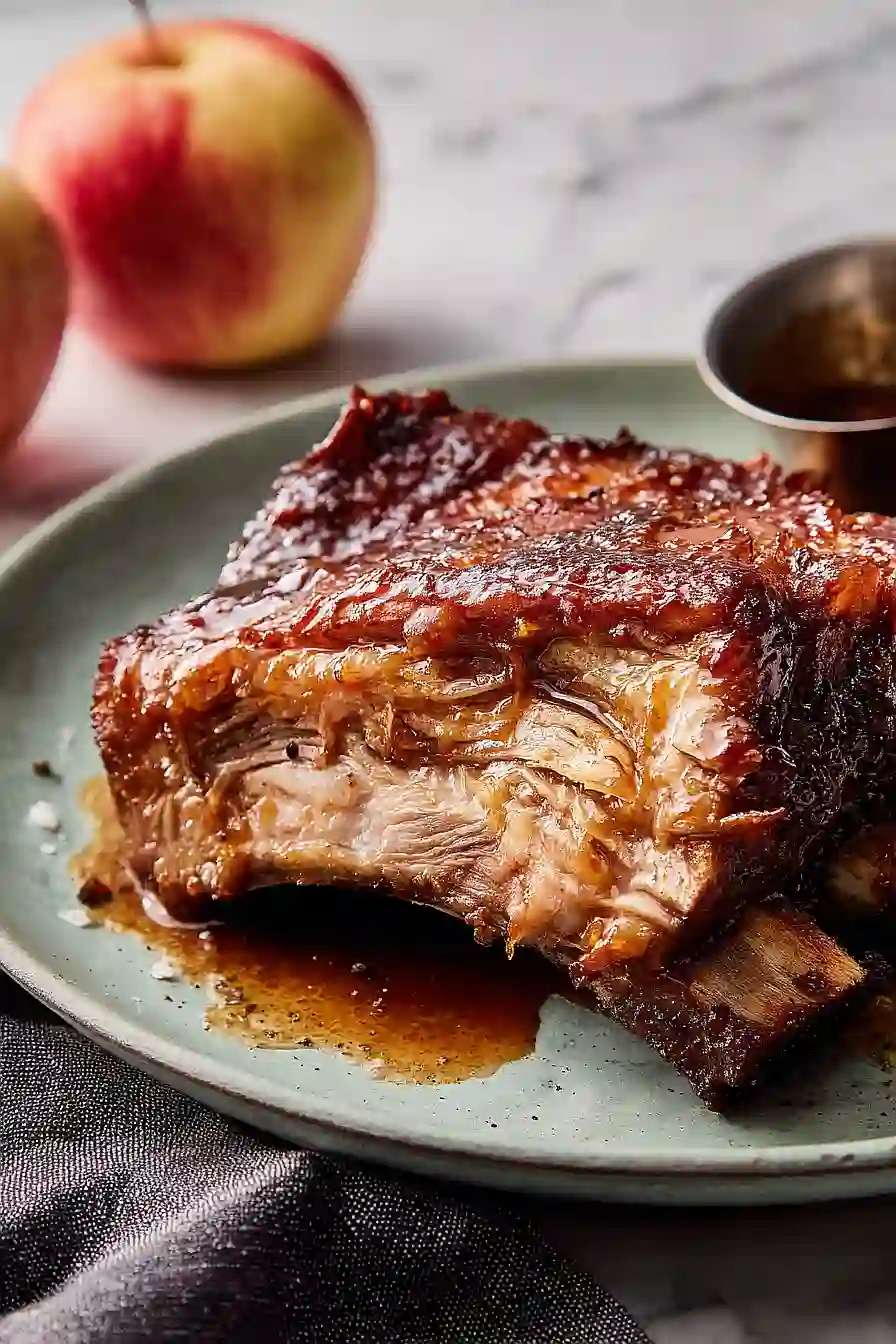
These sweet and tangy spare ribs pair perfectly with classic barbecue sides that can handle all that delicious sauce. I love serving them with creamy coleslaw and baked beans – the cool crunch of the slaw balances out the rich, sticky ribs really nicely. Cornbread or dinner rolls are great for soaking up the extra sauce on your plate, and you can’t go wrong with some mac and cheese on the side. For something a bit lighter, grilled corn on the cob or a simple cucumber salad helps cut through the sweetness of the apple juice glaze.
Storage Instructions
Store: Leftover ribs keep really well in the fridge for up to 4 days. Just let them cool down, then store them in an airtight container with any extra sauce you have. The flavors actually get even better after sitting for a day or two, so don’t be surprised if they taste even more amazing the next day!
Freeze: These ribs are perfect for freezing if you want to make them ahead for a party or just have some ready to go. Wrap them tightly in aluminum foil or place in a freezer-safe container with the sauce, and they’ll stay good for up to 3 months.
Reheat: To warm up your ribs, you can either pop them in a 300°F oven covered with foil for about 20-25 minutes, or heat them gently in the microwave. If you have extra sauce, brush some on before reheating to keep them moist and flavorful.
| Preparation Time | 15-20 minutes |
| Cooking Time | 100-150 minutes |
| Total Time | 115-170 minutes |
| Level of Difficulty | Medium |
| Servings | 6 servings |
Estimated Nutrition
Estimated nutrition for the whole recipe (without optional ingredients):
- Calories: 5700-6200
- Protein: 200-230 g
- Fat: 260-290 g
- Carbohydrates: 580-630 g
Ingredients
For the ribs:
- 8 cups apple cider
- 4 lb pork spareribs (cut into individual ribs)
- 1/2 teaspoon liquid smoke
For the glaze:
- 1 3/4 cups balsamic vinegar
- 1 1/2 cups ketchup
- 3/4 cup brown sugar
- 3 cloves garlic (pressed or finely minced)
- 5 tbsp worcestershire sauce
- 2 tbsp prepared dry mustard paste
- 1 tsp smoked paprika
- 1 3/4 tsp salt
- 1 tsp pepper
- 1/2 cup horseradish
Step 1: Prepare the Glaze and Season Mise en Place
- 1 3/4 cups balsamic vinegar
- 1 1/2 cups ketchup
- 3/4 cup brown sugar
- 3 cloves garlic, pressed or finely minced
- 5 tbsp worcestershire sauce
- 2 tbsp prepared dry mustard paste
- 1 tsp smoked paprika
- 1 3/4 tsp salt
- 1 tsp pepper
In a medium saucepan, combine the balsamic vinegar, ketchup, brown sugar, pressed garlic, worcestershire sauce, prepared mustard paste, smoked paprika, salt, and pepper.
Stir everything together until well combined and smooth.
This glaze base will be the foundation of your sauce, so make sure all ingredients are fully incorporated before cooking.
Step 2: Simmer and Reduce the Glaze
- glaze mixture from Step 1
Bring the glaze mixture to a simmer over medium heat and cook for 15 to 20 minutes, stirring occasionally, until the sauce reduces by about one-third and thickens slightly.
This reduction concentrates the flavors and creates a richer, more complex sauce.
I like to use this time to prepare the ribs for cooking.
Step 3: Poach the Ribs in Apple Cider
- 4 lb pork spareribs, cut into individual ribs
- 8 cups apple cider
While the glaze simmers, place the cut spareribs in a large pot and cover them completely with the apple cider.
Bring to a boil over high heat, then immediately reduce the heat to low and maintain a gentle simmer for 1 to 2 hours, until the ribs are tender but still hold their shape.
The poaching process tenderizes the meat and infuses it with subtle apple flavor, which will complement the savory-sweet glaze beautifully.
Step 4: Finish the Glaze with Horseradish
- reduced glaze from Step 2
- 1/2 cup horseradish
- 1/2 teaspoon liquid smoke
- 3 tablespoons apple cider or water
When the glaze has reduced sufficiently, remove it from heat and stir in the horseradish and liquid smoke, along with 3 tablespoons of the reserved apple cider (or water).
Stir until fully combined.
I find that adding the horseradish at the end preserves its sharp, peppery bite rather than mellowing it out during cooking.
Step 5: Transfer Ribs and Begin Glazing
- poached ribs from Step 3
- finished glaze from Step 4
Drain the poached ribs thoroughly and arrange them in a single layer on a baking sheet or large baking dish.
Generously brush the ribs with the finished glaze from Step 4, making sure each rib is well coated on both sides.
Reserve the remaining glaze for basting during baking.
Step 6: Bake and Glaze Until Caramelized
- glazed ribs from Step 5
- reserved glaze from Step 4
Preheat your oven to 350°F and bake the glazed ribs for 25 to 35 minutes.
Brush the ribs with the reserved glaze every 8 to 10 minutes during baking so they develop a rich, caramelized coating.
The ribs are done when the glaze is thick and sticky and begins to brown lightly at the edges.

Tender Spare Ribs with Apple Juice
Ingredients
For the ribs
- 8 cups apple cider
- 4 lb pork spareribs (cut into individual ribs)
- 1/2 teaspoon liquid smoke
For the glaze
- 1 3/4 cups balsamic vinegar
- 1 1/2 cups ketchup
- 3/4 cup brown sugar
- 3 cloves garlic (pressed or finely minced)
- 5 tbsp worcestershire sauce
- 2 tbsp prepared dry mustard paste
- 1 tsp smoked paprika
- 1 3/4 tsp salt
- 1 tsp pepper
- 1/2 cup horseradish
Instructions
- In a medium saucepan, combine the balsamic vinegar, ketchup, brown sugar, pressed garlic, worcestershire sauce, prepared mustard paste, smoked paprika, salt, and pepper. Stir everything together until well combined and smooth. This glaze base will be the foundation of your sauce, so make sure all ingredients are fully incorporated before cooking.
- Bring the glaze mixture to a simmer over medium heat and cook for 15 to 20 minutes, stirring occasionally, until the sauce reduces by about one-third and thickens slightly. This reduction concentrates the flavors and creates a richer, more complex sauce. I like to use this time to prepare the ribs for cooking.
- While the glaze simmers, place the cut spareribs in a large pot and cover them completely with the apple cider. Bring to a boil over high heat, then immediately reduce the heat to low and maintain a gentle simmer for 1 to 2 hours, until the ribs are tender but still hold their shape. The poaching process tenderizes the meat and infuses it with subtle apple flavor, which will complement the savory-sweet glaze beautifully.
- When the glaze has reduced sufficiently, remove it from heat and stir in the horseradish and liquid smoke, along with 3 tablespoons of the reserved apple cider (or water). Stir until fully combined. I find that adding the horseradish at the end preserves its sharp, peppery bite rather than mellowing it out during cooking.
- Drain the poached ribs thoroughly and arrange them in a single layer on a baking sheet or large baking dish. Generously brush the ribs with the finished glaze from Step 4, making sure each rib is well coated on both sides. Reserve the remaining glaze for basting during baking.
- Preheat your oven to 350°F and bake the glazed ribs for 25 to 35 minutes. Brush the ribs with the reserved glaze every 8 to 10 minutes during baking so they develop a rich, caramelized coating. The ribs are done when the glaze is thick and sticky and begins to brown lightly at the edges.